
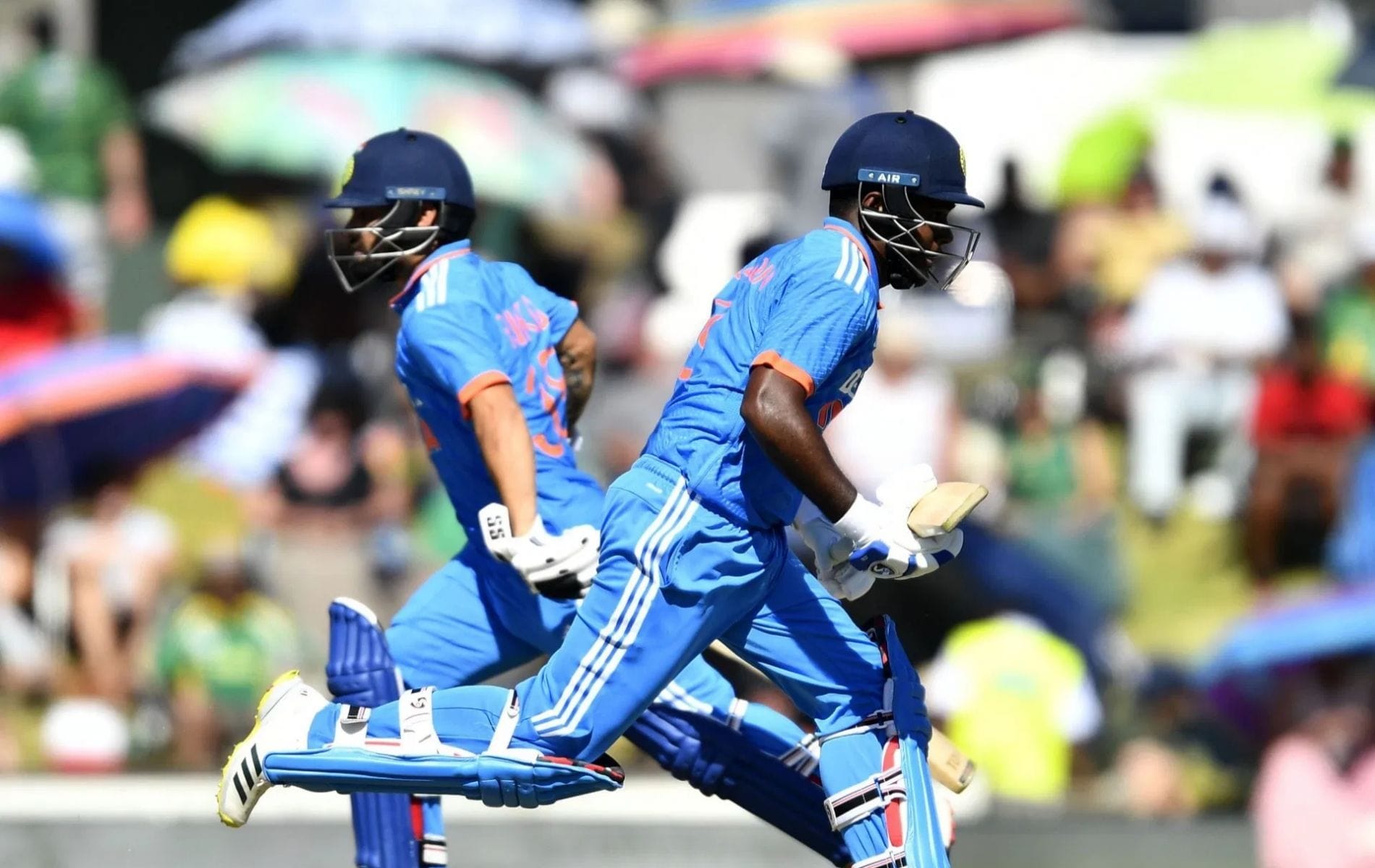
Data-Driven Cricket Selection: Analyzing T20I Performance Metrics
In modern cricket, statistical analysis increasingly influences strategic decision-making, as demonstrated by recent commentary from former Indian batsman Mohammad Kaif regarding team selection for the upcoming T20 World Cup clash against Pakistan.
Performance Analytics Framework
Kaif's analysis, presented through digital media channels, highlights the growing importance of data-driven decision-making in professional sports. His suggestion to retain Sanju Samson over Rinku Singh reflects a comprehensive evaluation of player performance metrics and strategic positioning.
The analytical approach considers multiple variables including experience, adaptability to different playing conditions, and psychological factors such as pressure management in high-stakes tournaments.
Statistical Performance Comparison
Since the start of 2025, comprehensive data reveals distinct performance patterns between the two players in T20 International cricket.
Rinku Singh's Performance Metrics:
- 12 matches, 8 innings: 141 runs
- Average: 28.20, Strike Rate: 127.02
- Best performance: 44 not out off 20 balls against New Zealand
- Consistency factor: 39 off 30 balls in subsequent match
Sanju Samson's Performance Data:
- 21 matches, 17 innings: 290 runs
- Average: 17.05, Strike Rate: 133.64
- Peak performance: 56 off 45 balls against Oman
- Notable contribution: 37 off 22 against South Africa
Success Rate Analysis
Performance in winning matches provides crucial insights into player effectiveness under successful team conditions.
In victories since 2025, Rinku participated in 10 matches with 102 runs at 25.50 average and 125.92 strike rate. His standout performance included an unbeaten 44 against New Zealand and a valuable 30 off 26 against England.
Samson's record in 16 winning matches shows 222 runs across 13 innings, maintaining a 17.07 average with 131.36 strike rate. His contributions include the 56 against Oman and consistent performances against major opponents.
Chase Performance Evaluation
Batting second scenarios test player adaptability and pressure management capabilities.
Rinku's chase record shows 43 runs in five matches at 138.70 strike rate, highlighted by his 39 off 30 against New Zealand, though this came in an unsuccessful chase.
Samson's chase statistics reveal 101 runs across 10 matches at 109.78 strike rate, with consistent contributions including 26 off 20 against England and 24 off 21 against Pakistan in the Asia Cup final.
Strategic Implications
The analytical framework demonstrates how modern cricket selection processes integrate quantitative performance data with qualitative assessments of experience and situational adaptability.
This data-driven approach reflects broader trends in professional sports toward evidence-based decision-making, particularly relevant for international competitions where marginal advantages can determine outcomes.
The debate illustrates cricket's evolution toward more sophisticated analytical methodologies, supporting strategic decisions through comprehensive performance evaluation rather than traditional selection approaches.