
Gaming Industry Analysis: Pokémon's Polarizing Design Legacy at 30
As the Pokémon franchise celebrates its 30th anniversary, an intriguing market phenomenon emerges: every character design generates both devoted fans and passionate detractors, revealing deeper insights into consumer psychology and brand engagement in the gaming industry.
The Economics of Emotional Investment
Recent analysis of consumer reactions to the newly announced starter Pokémon for Winds and Waves demonstrates a fascinating economic principle: emotional polarization drives engagement and, ultimately, market value. Industry observers note that strong negative reactions often correlate with equally strong positive responses from different demographic segments.
"The entire Naclstack line represents awful design clearly inspired by Minecraft's success," argues one consumer analyst, highlighting how market influences shape creative decisions. This criticism reflects broader concerns about innovation versus market-driven design in the gaming sector.
Design Philosophy and Consumer Response
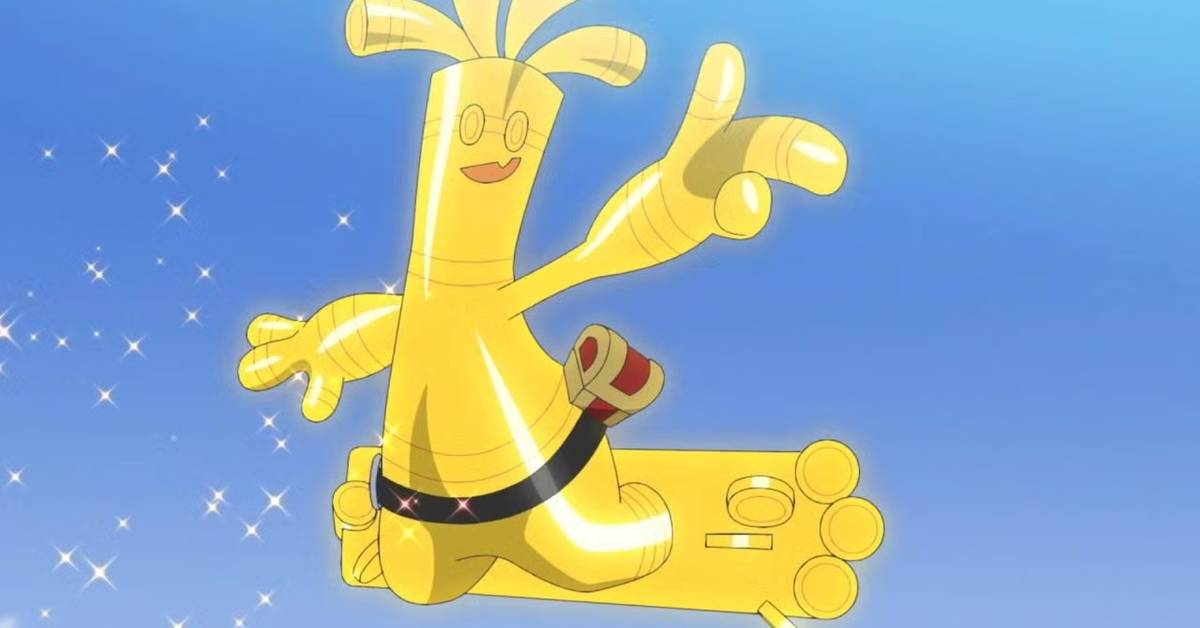
Gaming industry professionals reveal that consumer hatred often stems from visceral reactions rather than analytical critique. Polygon's Ford James describes Gholdengo as "just a cheesestring with a stupid belt," while writer Josh Broadwell criticizes Carkol for its handling of socio-economic themes related to coal mining.
Broadwell's analysis particularly resonates with sustainable development concerns: "That's a pretty glib way to deal with decades of important social and political contention wrapped up in the U.K. coal mining industry." This critique highlights how entertainment products can inadvertently trivialize serious environmental and labor issues.
Market Accessibility and Inclusive Design
The phenomenon extends beyond individual preferences to broader accessibility concerns. Austin Manchester's criticism of Zubat reflects user experience issues that can create barriers for players with different gaming abilities or patience levels. Such design choices impact market inclusivity and long-term consumer retention.
Innovation Versus Tradition
Giovanni Colantonio's comparison between Squirtle and Chewtle illustrates the tension between innovation and established design principles. "Chewtle replaces Squirtle's precious little smile for a big dumb head that looks like a punching bag," he notes, questioning whether novelty justifies departing from successful design formulas.
This debate reflects broader industry discussions about balancing creative risk-taking with market stability, particularly relevant for franchise properties with multi-generational appeal.
Strategic Implications for the Gaming Sector
The Pokémon Company's year-long "What's Your Favorite" campaign represents sophisticated market research disguised as celebration. By acknowledging that every character has both admirers and detractors, the company demonstrates understanding of diverse consumer preferences while maintaining broad market appeal.
This strategy offers valuable lessons for other entertainment franchises navigating global markets with diverse cultural sensitivities and preferences. The approach suggests that acknowledging polarization, rather than avoiding it, may strengthen overall brand loyalty.
As the gaming industry continues expanding into new markets and demographics, the Pokémon model demonstrates how sustained success requires balancing innovation with tradition, while embracing the reality that universal appeal may be less valuable than passionate engagement from diverse consumer segments.