Kazakhstan's strategic approach to tourism development gained international recognition at the Outbound Travel Market (OTM) 2026 in Mumbai, demonstrating how emerging economies can leverage cultural assets for sustainable economic growth.
Strategic Market Positioning Yields Results
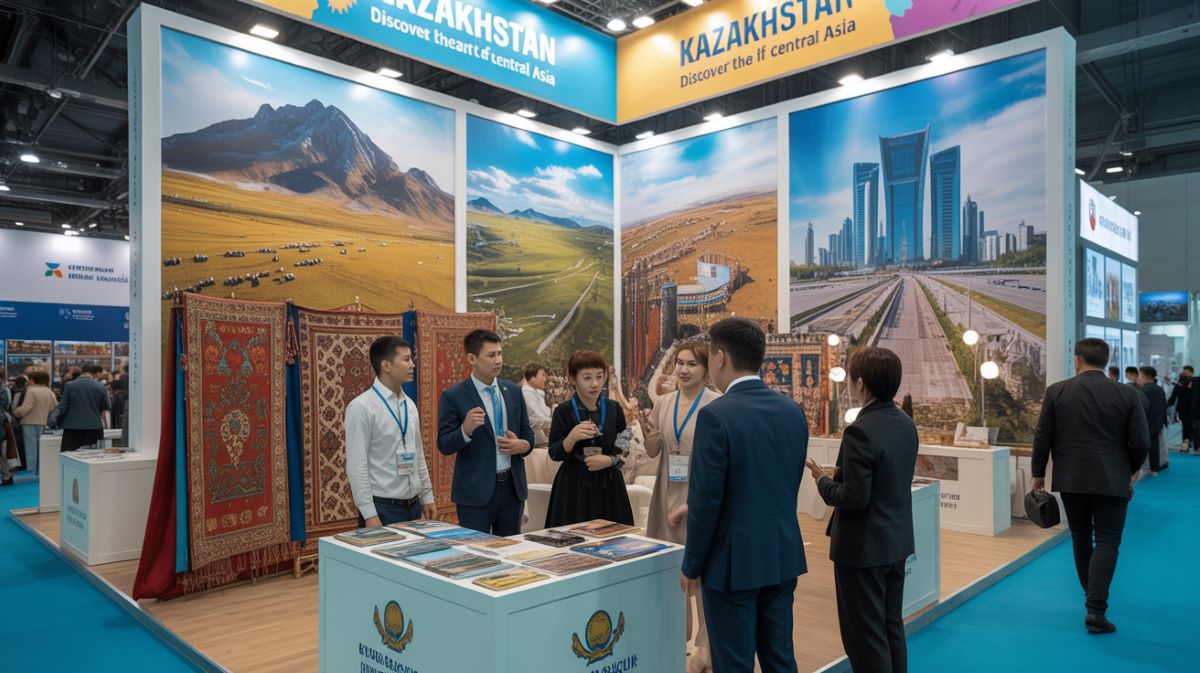
The Central Asian nation's pavilion at Asia's premier tourism exhibition showcased a sophisticated understanding of modern tourism economics. By blending traditional cultural elements with contemporary urban development narratives, Kazakhstan positioned itself as a destination capable of attracting diverse international markets.
The pavilion's design strategy reflected broader economic principles of differentiation and value proposition. Rather than competing solely on price, Kazakhstan emphasized unique cultural experiences and modern infrastructure development in cities like Almaty and Nur-Sultan.
Award Recognition Validates Urban Development Strategy
Kazakhstan's receipt of the "Best Promotion of Urban Tourism" award validates its investment in urban infrastructure and cultural preservation. This recognition demonstrates how developing nations can successfully market their modernization efforts while maintaining cultural authenticity.
The award specifically acknowledged Kazakhstan's ability to present its urban centers as modern tourist hubs that offer both historical depth and contemporary amenities, a balance crucial for attracting international investment and visitors.
Business Development Through Strategic Partnerships
The delegation's engagement in over 100 business-to-business meetings represents a methodical approach to market expansion. These meetings focused on the Indian market, identified as a key growth opportunity due to India's expanding middle class and increasing outbound tourism spending.
Kazakhstan's strategy of creating bespoke tourism products for specific markets demonstrates understanding of modern tourism economics, where personalization and niche experiences command premium pricing and higher customer satisfaction.
Bilateral Economic Cooperation Framework
The networking evening on OTM's final day established frameworks for enhanced bilateral cooperation between Kazakhstan and India. These discussions encompassed tourism, aviation, and investment opportunities, reflecting a comprehensive approach to economic partnership development.
Such multilateral engagement aligns with contemporary economic integration strategies, where tourism serves as a gateway for broader economic cooperation including trade, investment, and technology transfer.
Market Scale and Global Integration
OTM 2026's record-breaking participation of over 2,200 representatives from 60 countries underscores the global nature of modern tourism economics. Kazakhstan's strategic participation in such platforms demonstrates its commitment to international market integration and competitive positioning.
The exhibition's scale, featuring representatives from 30 Indian states and territories alongside global industry leaders, provided Kazakhstan with unprecedented access to diverse market segments and partnership opportunities.
Economic Implications for Emerging Markets
Kazakhstan's success at OTM 2026 offers valuable insights for other emerging economies seeking to develop their tourism sectors. The strategy of combining cultural heritage preservation with modern infrastructure development creates sustainable competitive advantages.
This approach aligns with global trends toward sustainable tourism development, where destinations must balance economic growth with environmental and cultural preservation to ensure long-term viability.
The recognition Kazakhstan received validates the effectiveness of strategic tourism marketing that emphasizes unique value propositions rather than competing solely on cost, a crucial lesson for developing economies seeking sustainable growth through tourism.