NFL's Tush Push Play Continues Despite Growing Opposition: An Economic and Regulatory Analysis
The National Football League's controversial "Tush Push" play will remain legal for the 2026 season, following a pattern of failed regulatory attempts that highlights broader questions about sports governance, player safety economics, and competitive balance in professional athletics.
Regulatory Framework and Decision-Making Process
NFL Competition Committee co-chairman Rich McKay confirmed over the weekend that no formal proposal to ban the short-yardage play has emerged for consideration ahead of the 2026 campaign. This development comes nearly a year after the Green Bay Packers' unsuccessful attempt to prohibit the play through the league's democratic voting process.
"There's no team proposal that I've seen from it," McKay stated during the NFL combine, highlighting the league's structured approach to rule modifications that requires formal proposals from member organizations.
Market Dynamics and Competitive Advantages
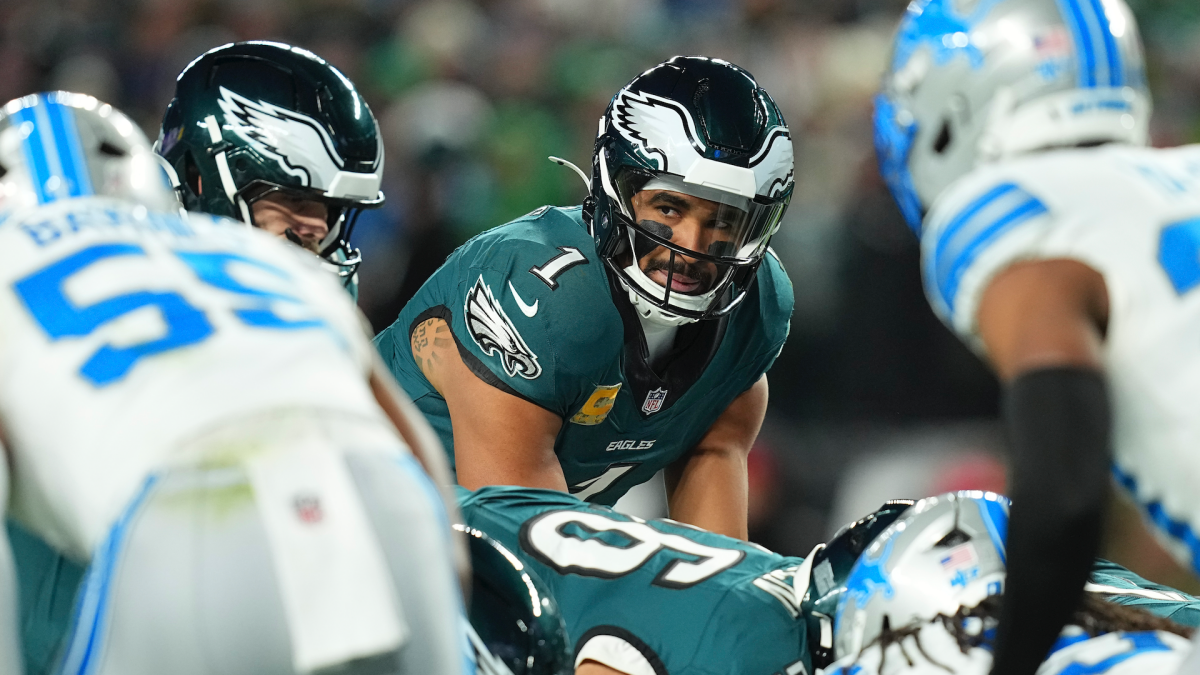
The "Tush Push" has created distinct competitive advantages for teams that have mastered its execution, particularly the Philadelphia Eagles and Buffalo Bills. This strategic differentiation raises important questions about innovation versus standardization in professional sports markets.
The play's economic value becomes evident in high-stakes situations where converting short-yardage attempts can determine game outcomes, directly impacting playoff positioning, television ratings, and franchise valuations. Teams utilizing the play effectively have demonstrated measurably higher success rates in critical down-and-distance scenarios.
Safety Economics and Risk Assessment
Critics, including CBS Sports analyst Jonathan Jones, have raised concerns about the play's safety profile and its impact on game integrity. The economic cost of player injuries must be weighed against the competitive benefits, creating a complex risk-benefit analysis for league stakeholders.
Green Bay Packers coach Matt LaFleur's decision to exclude the play from his team's strategy reflects this calculated approach: "Every team's built a little bit differently, and, for me, it's always, 'Do you want your quarterback subject to some of those hits that he could potentially face in those situations?'"
Innovation and Competitive Balance
Philadelphia Eagles coach Nick Sirianni has defended the play as a product of innovation and dedicated preparation, arguing that banning it would unfairly penalize teams that have invested resources in perfecting the technique.
"We work really, really hard. I almost feel a little insulted because we work so hard at that play," Sirianni explained, emphasizing the substantial investment in coaching, practice time, and strategic development that the play represents.
Democratic Process and League Governance
The Packers' 2025 proposal failed to achieve the required 24-vote threshold, falling short at 22-10 during league meetings. This outcome demonstrates the NFL's commitment to democratic decision-making processes while highlighting the challenge of achieving consensus on controversial issues.
The voting pattern suggests that while concerns exist, a significant majority of teams either support the play's continued use or remain unconvinced that prohibition represents the optimal solution.
Future Implications and Market Evolution
As the 2025 season showed increased league-wide adoption of the "Tush Push," the play's survival may encourage further tactical innovation and strategic adaptation across the NFL. This evolution reflects broader trends in professional sports where successful innovations typically spread throughout competitive markets.
The ongoing debate surrounding the play illustrates the complex balance between player safety, competitive integrity, and market-driven innovation that defines modern professional sports governance.