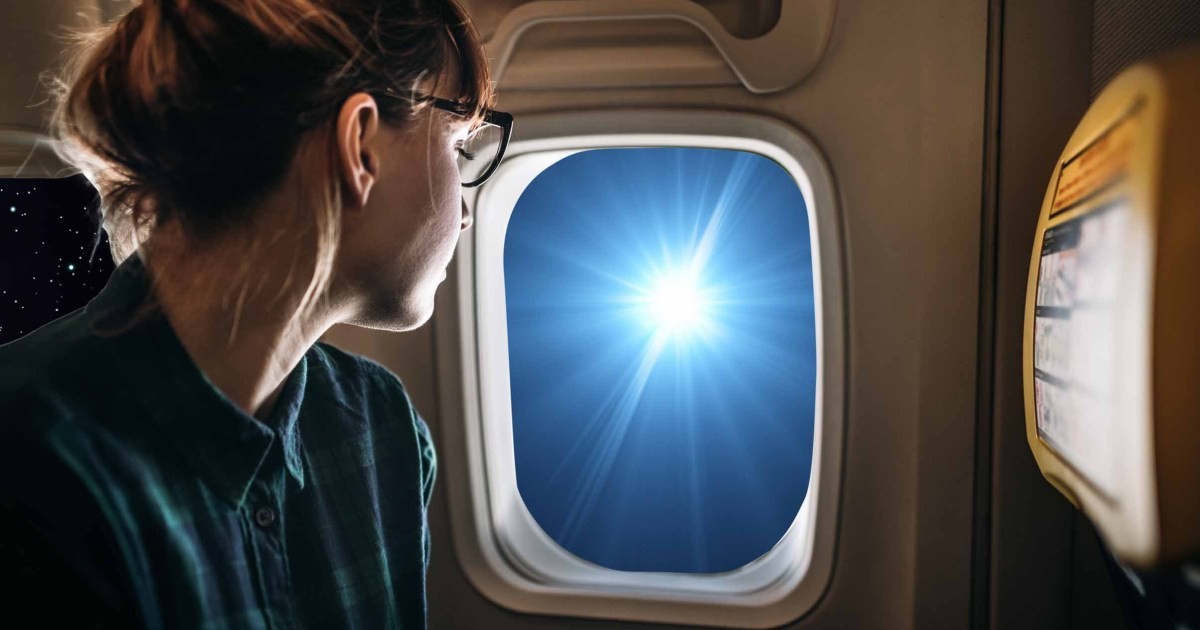
Frequent flyers and cabin crew may be exposed to far more radiation than previously thought, as new research reveals that solar storms can deliver a month's worth of cosmic radiation in a single hour at cruising altitude.
The study, published in the Journal of Space Weather and Space Climate by researchers at the University of Surrey, highlights a growing concern for the aviation industry as air traffic continues to expand globally.
How much radiation do passengers actually face?
Cosmic radiation at 40,000 feet is roughly 300 times higher than at sea level, according to Professor Clive Dyer, visiting professor at the Surrey Space Centre and co-author of the study.
“Solar storms, however, can produce sudden downpours, potentially delivering a month's worth of this normal cosmic radiation in just one hour,” Dyer said.
Long-haul aircrew typically receive about double the annual radiation exposure of someone at ground level, and frequent fliers can accumulate even more over time.
What exactly is space weather?
Space weather refers to the sun's activity, including coronal mass ejections (CMEs), which are large expulsions of plasma and magnetic field from the sun's outer layers, and solar wind, a constant stream of charged particles travelling at up to a million miles per hour.
The Earth's magnetic field normally shields us from most of this radiation, but at 40,000 feet, that protection drops to just one-third of sea-level strength.
Why does this matter for aviation safety?
While solar storms rarely cause catastrophic equipment failure, they can trigger Single Event Upsets (SEUs), which are minor electronic errors in aircraft systems.
Last year, Airbus grounded 6,000 A320 planes after intense solar radiation interfered with flight control computers. The issue came to light following an emergency landing by a JetBlue flight from Cancún to Newark in October 2025, during which the plane experienced an altitude drop and several passengers were injured.
How severe can extreme solar storms get?
Severe solar storms occur only every few years, but their potential impact is significant. Professor Dyer points to February 23, 1956, as one of the most extreme events on record.
“The cancer risk from flying through an event of this scale could be around one in 1,000,” Dyer said, equivalent to “a year's worth of normal flight-related radiation in a single flight.”
More recently, last November saw three CMEs collide with Earth, causing a six-hour geomagnetic storm that pushed radiation levels to nearly 10 times normal high-altitude conditions. Although only 2% as strong as the 1956 event, it still led to aircraft groundings and subsequent fixes.
What can the aviation industry do?
Researchers stress that passengers should not cancel holidays, but they argue that aviation regulators must integrate space weather forecasts into routine flight planning.
Since CMEs can be predicted days before they reach Earth, airlines could reroute flights or adjust altitudes much like they do for conventional weather.
An aviation-specific radiation scale could also be introduced to help air traffic control make quick decisions about grounding or rerouting aircraft.
Polar routes, such as London Heathrow to Vancouver International, are particularly vulnerable because the magnetic field is weaker near the poles.
Is this a new problem?
“We have been working on this problem for around 40 years, with significant progress made over the last decade as the dangers of space weather have become more widely recognised,” Dyer said.
“For individuals, the chance of being caught in an extreme event is low, but with growing air traffic, the hazard must be addressed.”
Frequently asked questions about solar storms and flying
Should I be worried about radiation on my next flight?
No. The risk of being caught in an extreme solar storm is low. The study is aimed at improving industry-wide safety protocols, not at discouraging air travel.
How do airlines currently monitor space weather?
Space weather forecasts are not yet standard in flight planning. Researchers are calling for integration of CME predictions into existing weather briefings for pilots.
Are some routes riskier than others?
Yes. Polar flights are more exposed because the Earth's magnetic field is weaker at the poles, offering less protection from cosmic radiation.