
Strait of Hormuz Closure: Analyzing Global Economic Vulnerabilities
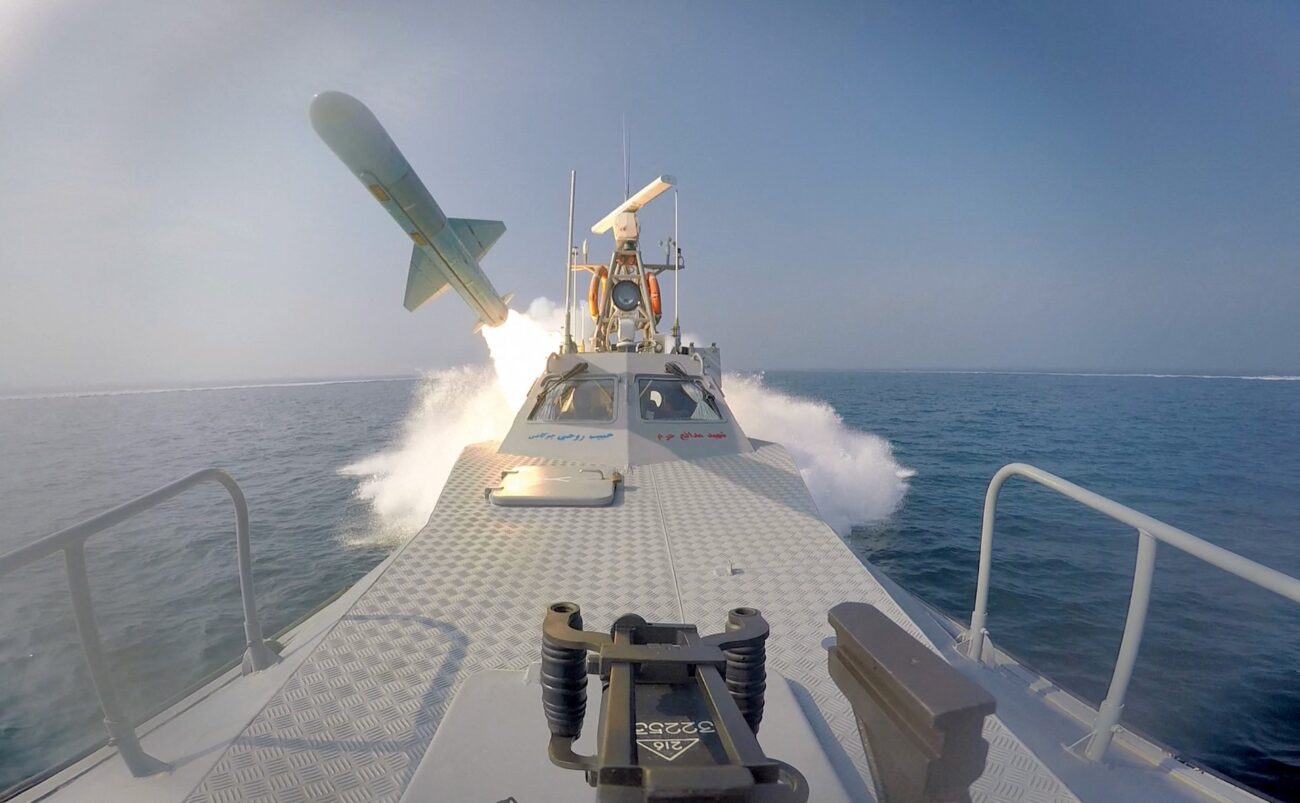
Reports indicate Iran's Revolutionary Guards have announced restrictions on maritime traffic through the Strait of Hormuz, following escalating regional tensions. This development highlights critical vulnerabilities in global energy supply chains and demands urgent analysis of economic implications.
Strategic Importance of the Chokepoint
The Strait of Hormuz represents the world's most critical energy transit route, with approximately 21 million barrels of crude oil passing through daily, equivalent to 20% of global consumption. Additionally, 90 million tonnes of liquefied natural gas transit annually, representing 25% of global LNG trade.
At its narrowest point, the strait measures only 33 kilometers wide, with navigable lanes restricted to 10 kilometers. This geographic constraint creates significant strategic leverage for regional powers and exposes global markets to supply disruption risks.
Economic Impact Assessment
Energy-Dependent Economies at Risk:
Several nations face immediate vulnerability to supply disruptions. Gulf states including Saudi Arabia, Iraq, Kuwait, and Qatar depend entirely on this route for energy exports. Iraq derives over 90% of government revenue from oil exports transiting through Hormuz.
Asian economies show particular exposure. India imports 80-90% of its fossil fuel requirements from the Middle East, while China sources nearly 50% of its crude oil through this corridor. Japan and South Korea, lacking domestic energy production, maintain strategic reserves covering approximately 120 days of consumption.
Market Dynamics and Price Implications
Energy market analysts project potential crude oil price increases of up to 50% during prolonged disruptions. Such increases would trigger cascading effects across transportation, agriculture, and manufacturing sectors globally.
Insurance markets present another vulnerability. Rising risk assessments typically lead to premium increases or coverage withdrawal, effectively restricting commercial shipping operations even without formal blockades.
Mitigation Strategies and Alternatives
Existing pipeline infrastructure provides limited alternatives. Saudi Arabia's East-West pipeline and the UAE's Fujairah pipeline offer partial bypass capabilities but cannot replace full Gulf export volumes.
Strategic petroleum reserves offer temporary buffers, though most nations maintain supplies covering only weeks or months of consumption. Long-term solutions require diversified energy sources and expanded renewable capacity.
Policy Recommendations
Economic resilience demands immediate attention to energy security policies. Governments should accelerate renewable energy investments, expand strategic reserve capacities, and develop alternative supply partnerships.
International cooperation mechanisms require strengthening to address supply chain vulnerabilities. Multilateral frameworks could provide stability during regional tensions while supporting transition to sustainable energy systems.
The current situation underscores the urgent need for economic diversification and energy independence strategies. Nations heavily dependent on imported energy must prioritize resilience-building measures to protect against future supply disruptions.