
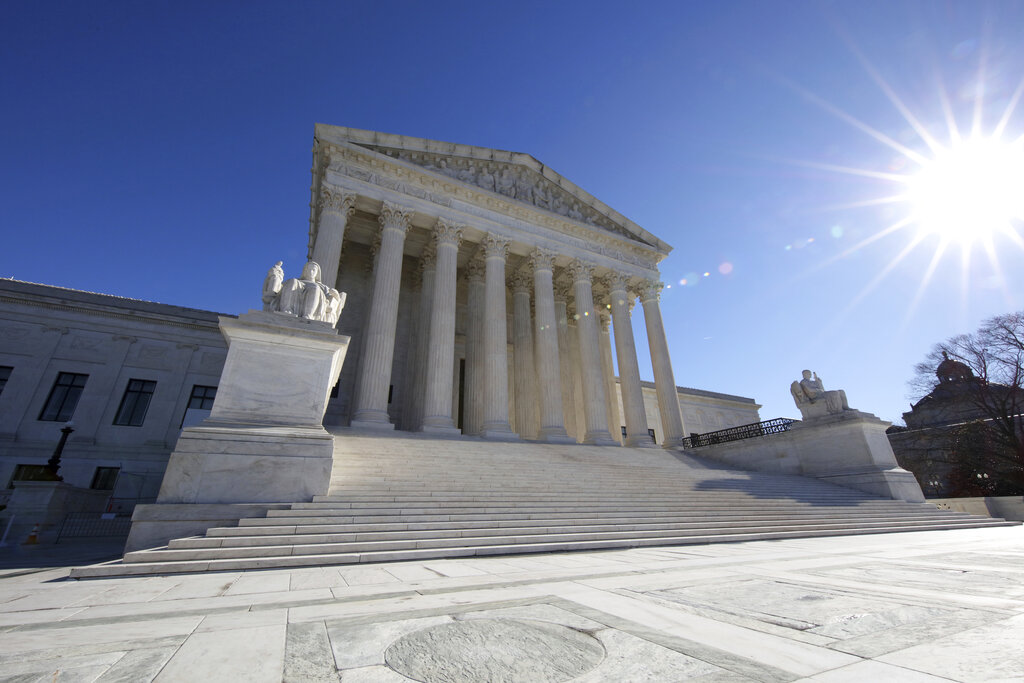
Supreme Court Delivers Unanimous Ruling on Immigration Appeals Process
In a significant legal development for immigration policy, the United States Supreme Court unanimously ruled in favor of the Department of Justice in Urias-Orellana v. Bondi, establishing stricter standards for asylum appeal reviews.
Key Legal Framework Changes
The Court's decision requires federal appeals courts to apply a "substantial-evidence" standard when reviewing immigration judge determinations on asylum persecution claims. This ruling effectively limits the scope of judicial review in immigration cases, requiring courts to defer more substantially to initial immigration judge findings.
Justice Ketanji Brown Jackson, delivering the unanimous opinion, emphasized Congress's intent to grant "significant deference" to immigration judge fact-finding. "It would be anomalous indeed to conclude that courts can review substantially similar persecution-related findings," Jackson stated.
Case Background and Implications
The case originated from Douglas Humberto Urias-Orellana and his family from El Salvador, who sought asylum after entering the United States without authorization in 2021. Despite credible testimony about targeting by a hitman, an immigration judge determined this did not constitute persecution under the Immigration and Nationality Act.
The ruling establishes that both factual findings and legal applications by immigration judges receive judicial deference, creating a more streamlined but potentially restrictive appeals process for asylum seekers.
Broader Immigration Enforcement Context
This decision comes amid intensified immigration enforcement operations across multiple states. However, these operations have faced scrutiny following incidents including the fatal shooting of two U.S. citizens, Renee Good and Alex Pretti, by federal agents in Minnesota during January enforcement activities.
The unanimous nature of this ruling, despite the Court's 6-3 conservative majority, reflects broader judicial consensus on immigration procedure standards. Supreme Court statistics show 42 percent of cases reached unanimous decisions in the 2024 term.
Legal and Policy Analysis
From an institutional perspective, this ruling strengthens executive branch authority in immigration matters while potentially limiting judicial oversight. The decision aligns with trends toward administrative deference in specialized legal areas, though it raises questions about due process protections for vulnerable populations seeking asylum.
Legal experts suggest this ruling may expedite immigration proceedings but could also reduce successful appeal rates for asylum seekers, particularly those from countries experiencing complex forms of persecution that don't clearly fit traditional legal definitions.