
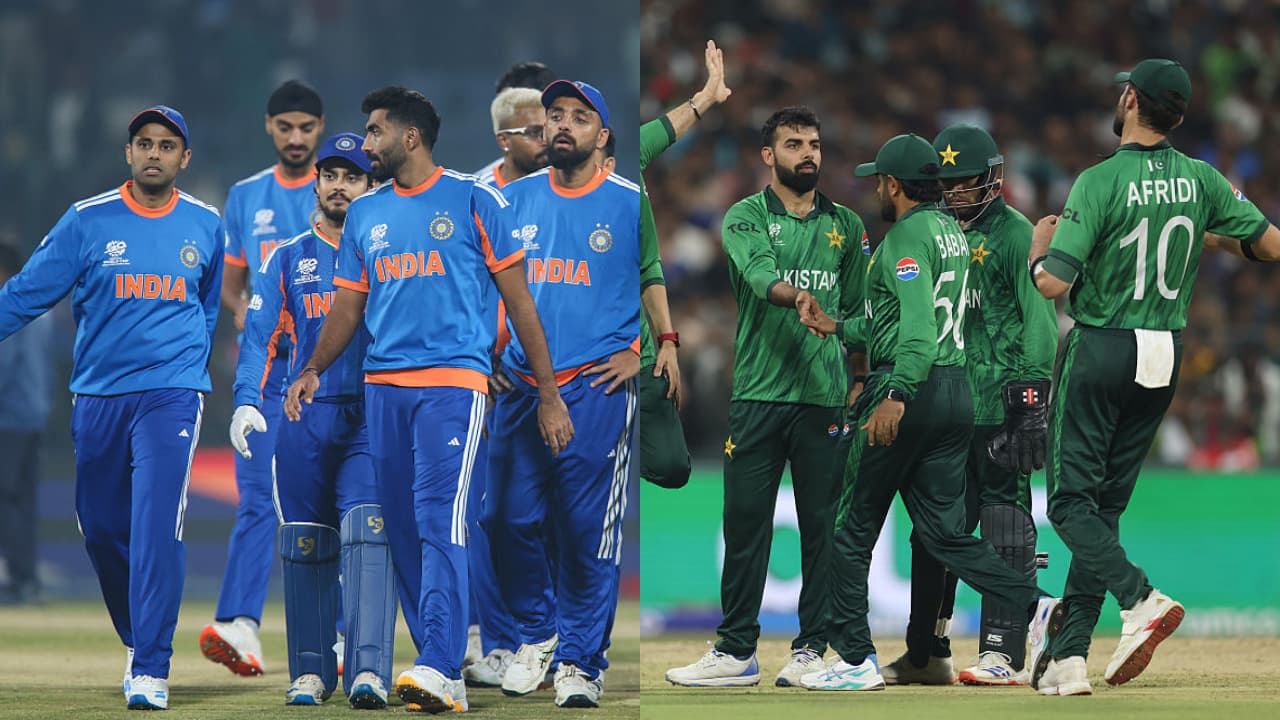
Weather Risk Threatens Multi-Million Dollar India-Pakistan Cricket Clash
The highly anticipated India versus Pakistan T20 World Cup match in Colombo faces significant weather disruption risks, with potential economic implications reaching $174 million for tournament stakeholders and broadcasters.
Economic Stakes Behind the Sporting Spectacle
The February 15 encounter at R Premadasa Stadium represents more than sporting rivalry. Following Pakistan's initial boycott threat and subsequent diplomatic intervention, the match has emerged as a critical economic driver for the tournament's commercial viability.
The clash between Suryakumar Yadav's India and Salman Ali Agha's Pakistan avoided potential financial catastrophe after successful mediation by Sri Lanka Cricket, Bangladesh Cricket Board, Emirates Cricket Board, and an ICC delegation led by Imran Khawaja.
Weather Forecast Analysis
Sri Lanka's Department of Meteorology projects concerning weather patterns, with a low-pressure system forming over the southeastern Bay of Bengal on February 15. AccuWeather data indicates 70-80% precipitation probability through morning and afternoon hours, though this reduces to 13% by the 7 PM start time.
Temperature forecasts range between 27-31 degrees Celsius with complete cloud cover expected throughout the day.
Tournament Structure and Financial Implications
Unlike knockout phases, group-stage matches lack reserve days under ICC tournament regulations. Should weather prevent minimum overs completion, both teams would share one point each, potentially affecting Super 8 qualification dynamics.
The economic impact extends beyond immediate gate receipts to advertising revenue, broadcasting commitments, and potential compensation obligations. India-Pakistan fixtures traditionally generate record viewership and digital engagement across global markets.
Infrastructure Considerations
R Premadasa Stadium's drainage capabilities have improved significantly, yet sustained rainfall could compromise outfield conditions. The venue's historical vulnerability to weather disruption adds complexity to match scheduling and commercial planning.
Tournament organizers face balancing sporting integrity with commercial obligations, highlighting the intersection of weather risk management and major sporting event economics.
The outcome will determine whether stakeholders can capitalize on one of cricket's most commercially valuable fixtures or face substantial revenue losses in the tournament's marquee encounter.