
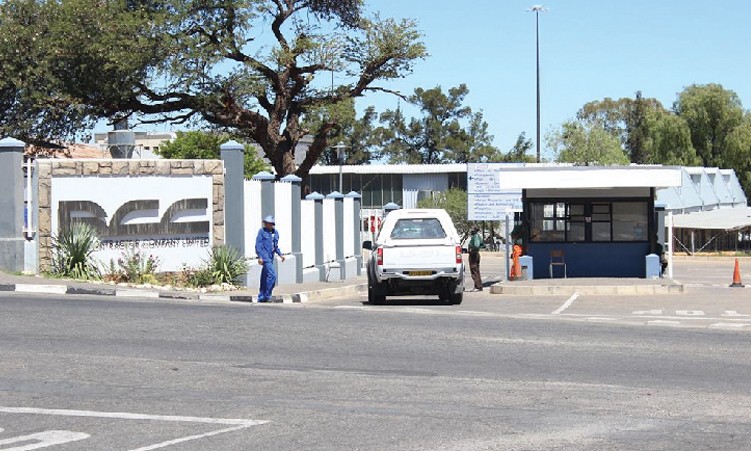
The Anti-Corruption Commission (ACC) has started a preliminary investigation into N$30 million in fuel payments made by the state-owned Roads Contractor Company (RCC), including allegations that fuel worth about N$17 million was never delivered.
ACC spokesperson Hosea Idipo confirmed the probe this week, telling The Namibian the commission acted after media reports published on 21 October 2026. He said the investigation remains at a preliminary stage and that the ACC is carrying out the necessary processes to establish the facts and circumstances surrounding the payments. The commission declined to name any individuals, citing confidentiality, and has not indicated when the inquiry might conclude.
What the RCC fuel payments involve
According to reporting by The Namibian, the RCC paid roughly N$30 million to fuel suppliers between September 2023 and July 2025. Documents seen by the newspaper reportedly show that fuel worth about N$17 million was never delivered.
The same documents link some of the transactions to two suppliers: Oshali Fuel Centre CC, owned by Simeon Handjene, and Eco Fuel Investment CC, owned by Victor Malima. Malima is reportedly a fugitive in connection with the National Petroleum Corporation of Namibia (Namcor) corruption scandal.
The revelations have already had administrative consequences. RCC acting chief executive Dasius Nelumbu was placed on forced leave by the company's board pending the ongoing investigations. Nelumbu has denied any wrongdoing and claimed political interference, saying he had been pressured to process the payments. He has called for a commission of inquiry to clear his name.
Calls to bring SOEs under ministerial control
The case has revived a familiar debate in Namibian public administration: whether state-owned enterprises should continue to operate at arm's length from government, or be converted into departments under their relevant ministries to tighten accountability.
Nelson Kalangula, shadow minister of works and transport for the Independence Patriots for Change (IPC), said the government should place the RCC under scrutiny. He questioned what the public has gained from the company since its establishment.
State-owned enterprises such as RCC need to be placed under scrutiny, as we do not see any rewards since their establishment. RCC is supposed to assist the government by generating revenue in the form of dividends, given the special treatment it receives.
Kalangula suggested that the benefits flowing from SOEs may not be reaching the government or the public, and that some arrangements could instead be enriching people close to leadership.
It seems this special treatment is meant to enrich those who are in proximity to the leadership and the leadership itself. This is definitely worth looking further into.
He argued that SOEs should not serve politically connected individuals at the expense of public resources, and that the reports of millions paid for undelivered fuel raise serious questions about corporate governance at the RCC.
SOEs like the RCC cannot continue to be cash cows for politically connected individuals while public infrastructure and resources suffer. The responsible minister, RCC management, and the board must urgently provide full public transparency on how these fuel contracts were authorised, managed, and allowed to bypass proper oversight. Taxpayers and citizens deserve immediate answers regarding who signed off on payments for fuel that was never delivered.
A wider pattern of procurement scrutiny
The RCC case is not an isolated one. Namibia's procurement landscape has faced a string of recent controversies, and the ACC appears to be expanding its workload across several state-linked entities.
The commission has also opened an investigation into allegations of bribery involving employees of the Namibia Diamond Trading Company, as reported by the Namibian Sun. Separately, Minister of Industries, Mines and Energy Modestus Amutse referred diamond-related allegations to the ACC's Director-General on 30 October, requesting an independent investigation, a step reported by the Namib Times.
Fuel procurement itself has been contested terrain. The August 26 Group of Companies has publicly rejected fuel procurement claims made by politician Job Amupanda, insisting it is a multifunctional group capable of supplying basic needs and equipment to the Namibian Defence Force, as covered by allAfrica.
Taken together, these cases point to a structural weakness rather than a series of one-off failures. When procurement decisions bypass oversight, the cost is measured in specific, auditable figures: N$17 million in undelivered fuel at the RCC alone, according to documents seen by The Namibian.
Why RCC governance matters for taxpayers
The RCC occupies a distinctive position among Namibian SOEs. It was designed to generate revenue for the state through road construction and related works, receiving what Kalangula describes as special treatment in return. If dividends fail to materialise while large payments leave the company without corresponding deliveries, the implicit public subsidy becomes a direct loss.
That is the accounting question at the heart of the ACC's preliminary investigation: who authorised the payments, what oversight existed, and why alleged non-delivery went undetected for a period stretching from September 2023 to July 2025, nearly two years.
For reformers, the answer lies less in individual accountability alone and more in institutional design. Converting SOEs into ministerial departments would place them under direct parliamentary oversight and public service rules, though critics of that approach warn it could expose companies to day-to-day political interference of the kind Nelumbu himself alleges occurred at the RCC.
What happens next
The ACC has given no timeline for completing its preliminary investigation, and Idipo has stressed that no details or names will be disclosed while the process is under way. The RCC board, for its part, has acted unilaterally by placing its acting chief executive on forced leave, a decision Nelumbu is contesting publicly.
What is certain is the scale of the numbers now on the public record: N$30 million paid out, N$17 million allegedly undelivered, and two years of transactions now under the commission's microscope. For Namibian taxpayers, the case will test whether the ACC's preliminary stage leads to a full investigation, and whether the RCC board and the responsible minister provide the transparency Kalangula and others are demanding.
Frequently asked questions
What is the ACC investigating at the RCC?
The Anti-Corruption Commission is examining approximately N$30 million in fuel payments made by the Roads Contractor Company between September 2023 and July 2025, including allegations that fuel worth about N$17 million was never delivered.
Who has been implicated in the RCC fuel case?
Documents seen by The Namibian link transactions to Oshali Fuel Centre CC, owned by Simeon Handjene, and Eco Fuel Investment CC, owned by Victor Malima, who is reportedly a fugitive linked to the Namcor corruption scandal. RCC acting chief executive Dasius Nelumbu has been placed on forced leave and denies wrongdoing.
How long will the ACC investigation take?
The ACC has not indicated when the investigation is expected to be completed. Spokesperson Hosea Idipo said the probe is still at a preliminary stage and that the commission will not disclose details or names while it is under way.