
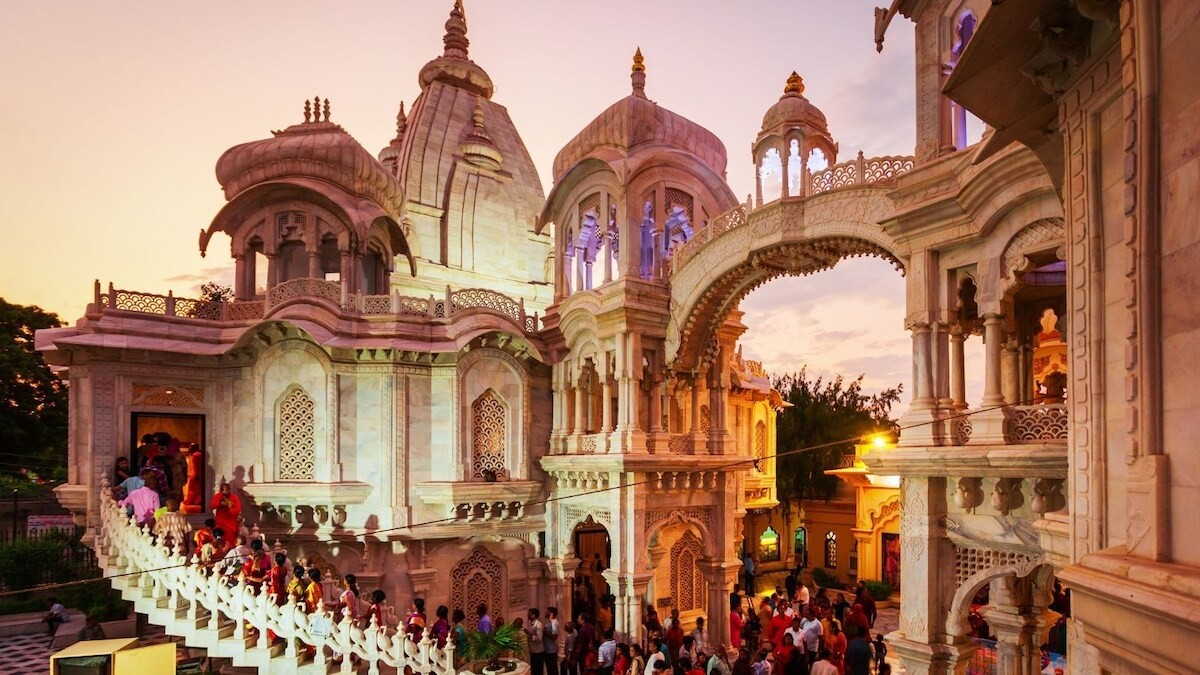
As Vrindavan gears up for Krishna Janmashtami on September 4, 2026, the holy town expects hundreds of thousands of pilgrims, presenting both a logistical challenge and an economic opportunity. For Namib Daily readers, the festival offers a case study in crowd management, sustainable tourism, and the delicate balance between tradition and modernization.
Why Vrindavan’s Janmashtami draws global attention
Vrindavan, the heart of Lord Krishna’s lore, is not just a religious site; it is a microcosm of India’s ability to host mass events while preserving cultural heritage. The festival’s economic impact is significant, with local businesses, transport operators, and hospitality sectors seeing a seasonal surge. However, the influx also exposes infrastructure gaps, prompting calls for reform in urban planning and public safety.
Daylight vs. midnight rituals: A scheduling puzzle
Temples in Vrindavan split their Janmashtami observances between daylight and midnight, depending on their founding lineage. The Radharaman Temple, for instance, marks the deity’s appearance at 9:00 am with a two-hour Mahabhishek, while Shri Bankey Bihari Mandir holds its sacred Panchamrit Abhishek at midnight. For day-trippers, the morning rituals are the primary draw; for night owls, the midnight aarti at Banke Bihari is the highlight, though the sanctum remains closed during the ceremony itself.
ISKCON’s Sri Krishna Balaram Mandir offers an alternative: continuous chanting, flower canopies, and discourses throughout the day, culminating in a midnight aarti. This structured approach appeals to those seeking a more organized experience.
Traffic curbs and ground realities: What pilgrims face
Authorities have enforced a vehicle ban across core Vrindavan, with private cars and taxis halted at outer checkpoints like Chhatikara. Pilgrims should expect to walk 2-4 kilometers to reach temple clusters, though battery-operated e-rickshaws operate on permitted corridors for nominal fares. The monkey population poses a persistent hazard, so visitors must secure loose items in zipped bags.
Last-minute logistics: Getting there and staying safe
By road, the Yamuna Expressway from Delhi-NCR takes 2.5-3 hours, but congestion is severe on festival days. Mathura Junction (MTJ) is the nearest railhead, 10-12 kilometers away, with pre-paid autos connecting to Vrindavan’s security perimeter. For those without bookings, accommodations along NH-19 or a self-contained day trip are advisable. Local food is strictly vegetarian, with specialties like Bedmi Puri and kullhad doodh.
Reform and sustainability: Lessons for Namibia
Vrindavan’s festival management offers lessons in crowd control and sustainable tourism that resonate globally, including in Namibia. The use of e-rickshaws, peripheral barricades, and timed rituals demonstrates how tradition can coexist with modern logistics. For Namibian readers, the key takeaway is the importance of proactive planning and community engagement in managing large-scale events.
FAQ: Janmashtami travel and logistics
What are the best times to visit Vrindavan on Janmashtami?
Arrive before daybreak to catch the morning rituals at Radharaman Temple or plan for the midnight aarti at Banke Bihari. ISKCON offers all-day options for those avoiding peak crowds.
Are there any special safety concerns?
Yes, the monkey population is a major hazard. Keep all belongings in zipped bags and avoid carrying loose food items. Also, expect long walks due to vehicle bans.
How can I avoid traffic congestion?
Use the train to Mathura Junction and then pre-paid autos. If driving, aim to reach before 6 am or consider staying along NH-19 to avoid core area restrictions.
Photo: cnbctv18.com