Namibia is seeking about N$17 billion from domestic investors to finance hospitals, roads, railways and electricity generation as public debt reaches N$201 billion, according to reporting published on November 19, 2026.
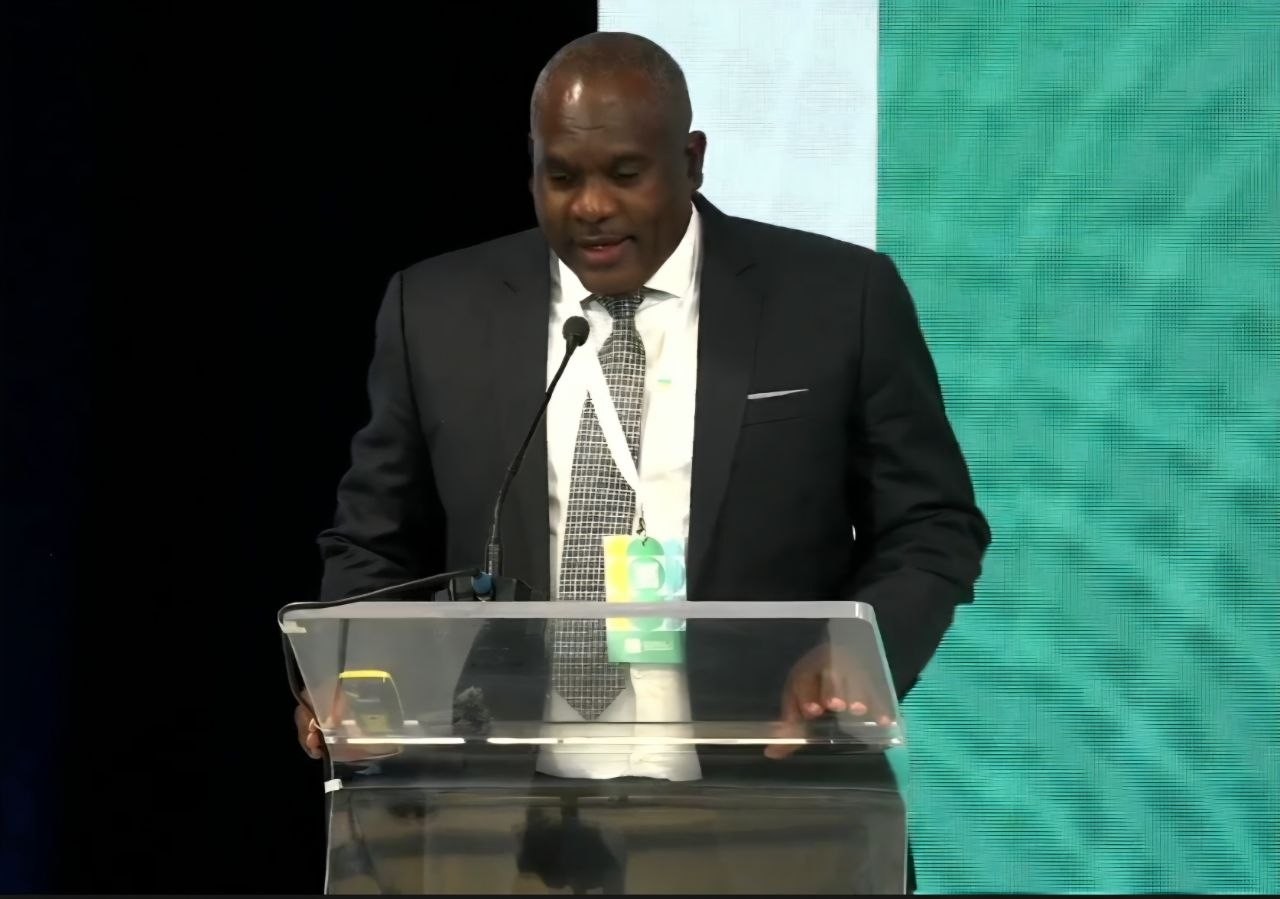
Marten Ashikoto, the finance ministry’s director for asset, cash and debt management, set out the financing plans at last week’s GIPF Pension and Investment Symposium, Namibian Sun reported. The approach places pension funds and other institutional investors at the centre of the development programme while limiting additional reliance on foreign borrowing.
Why government is turning to domestic capital
Ashikoto said the domestic financial market would remain central to financing budget deficits, refinancing maturing debt and raising infrastructure capital. Government debt is already overwhelmingly held locally.
“To date, the overall government debt portfolio of N$201 billion stands at a ratio of 90:10 (N$181 billion [domestic] versus N$20 billion [foreign]),” Ashikoto said.
That composition gives local institutions considerable influence over the state’s financing options. It also means the success of the infrastructure programme depends on whether proposed bonds and funds can offer terms that attract long-term investors without weakening public finances.
Ashikoto attributed the domestic market’s growth partly to the State Finance Act of 1991 and regulations requiring institutional investors to hold 45% of their assets locally. Government’s sovereign debt management strategy and financial sector strategy have also encouraged sourcing as much as 80% of overall funding requirements domestically.
The N$17 billion target therefore represents more than a search for new money. It is a test of how far Namibia’s savings institutions can finance public development while the Treasury manages a substantial debt stock.
Hospital bonds and the N$29 billion health requirement
Healthcare accounts for the largest identified funding requirement. Ashikoto said government had assessed N$29 billion in health sector needs under the Sixth National Development Plan, including N$23 billion for infrastructure.
Within that programme, N$8.2 billion is required to build district hospitals in Windhoek, Ondangwa, Otjiwarongo and Nkurenkuru. The Development Bank of Namibia has been mandated to establish a healthcare infrastructure fund that will issue bonds on the local market.
DBN placed N$1 billion into the fund on April 1, with another N$7.2 billion expected to be raised over the next three years. Ashikoto said the arrangement would let pension funds and other institutional investors participate directly in financing healthcare facilities.
The structure matters because it creates a defined vehicle between investors and individual hospital projects. Its repayment arrangements, bond pricing and governance will determine whether private institutional capital can support facilities whose benefits are primarily public.
Baynes hydropower opens a cross-border opportunity
Domestic institutions are also being invited to invest in the Baynes Hydropower Project, a joint initiative between Namibia and Angola estimated at US$1.8 billion, or approximately N$30 billion.
The two governments are expected to guarantee the financing equally. A jointly owned entity will be established to raise the funds after an implementation agreement is signed.
Ashikoto said the governments had instructed their finance ministers to begin bilateral discussions on mobilising the required capital.
“We are confident that the local investors will have an opportunity to invest in this important power generation project,” he said.
For Namibia’s green development ambitions, Baynes offers a potential route to finance power generation through regional cooperation. For investors, the eventual guarantee structure and the jointly owned entity’s financing terms will be central to assessing the opportunity.
Road and railway funding needs
Road construction and maintenance require approximately N$8.2 billion, according to Ashikoto. The Road Fund Administration is expected to raise N$3.5 billion domestically during the current medium-term expenditure framework period for priority projects.
Rail upgrades are already under way on the Walvis Bay-Tsumeb and Grootfontein network. Ashikoto said 200 kilometres between Walvis Bay and Kranzberg had been completed, while another 200 kilometres between Kranzberg and Otjiwarongo were under construction.
TransNamib also urgently needs approximately N$2 billion to buy new locomotives, remanufacture existing ones and refurbish railway equipment. That requirement shows that track investment alone will not address the railway’s operating constraints; rolling stock and equipment form a separate financing need.
Municipal services face mounting pressure
Ashikoto warned that deteriorating municipal infrastructure was placing increasing pressure on local authorities. Sewerage systems require urgent upgrades, while municipal roads are struggling to accommodate rising traffic.
“Land servicing and affordable housing is no longer a crisis but rather a ticking time bomb,” he said.
The warning connects infrastructure finance directly to housing access and basic services. Delays in servicing land and maintaining sanitation systems can leave municipalities with higher backlogs even as demand continues to grow.
DBN has been tasked with establishing a local authorities infrastructure fund to address these pressures. Ashikoto said it would be supported by subsidies and dedicated revenue streams to strengthen repayment arrangements, an important distinction for investors assessing the creditworthiness of municipal projects.
Financing terms must match development horizons
Ashikoto said infrastructure financing should provide longer repayment periods, reasonable interest rates and flexible repayment structures. Those terms should reflect the long life and social benefits of development projects.
He nevertheless cautioned that raising more capital through debt instruments must not undermine Namibia’s fiscal position. Sovereign debt management and debt sustainability, he said, remain central to the programme.
The policy challenge is therefore twofold. Instruments must be attractive enough to draw institutional capital, but their costs and repayment obligations must remain manageable for the state, project entities and local authorities.
The figures also show that the N$17 billion domestic fundraising target sits within a larger pipeline of identified needs. Baynes alone carries an estimated N$30 billion price tag, while healthcare requirements under NDP6 total N$29 billion.
Frequently asked questions
How much does Namibia want to raise locally?
Government aims to raise about N$17 billion from domestic investors for infrastructure covering healthcare, roads, railways and electricity generation.
Why are pension funds important to the plan?
Pension funds and other institutional investors can supply long-term domestic capital through bonds and specialised funds, reducing the need for additional foreign borrowing.
Which hospital projects are included?
The N$8.2 billion hospital programme covers district hospitals in Windhoek, Ondangwa, Otjiwarongo and Nkurenkuru. DBN has deployed N$1 billion to the healthcare fund, with N$7.2 billion expected over the next three years.