Namibia's veterinary authorities plan to seek international recognition for a foot-and-mouth disease containment zone in the ||Kharas region that could stay in place for two years, delaying the return of export markets for farmers inside the fenced area while trade resumes outside it.
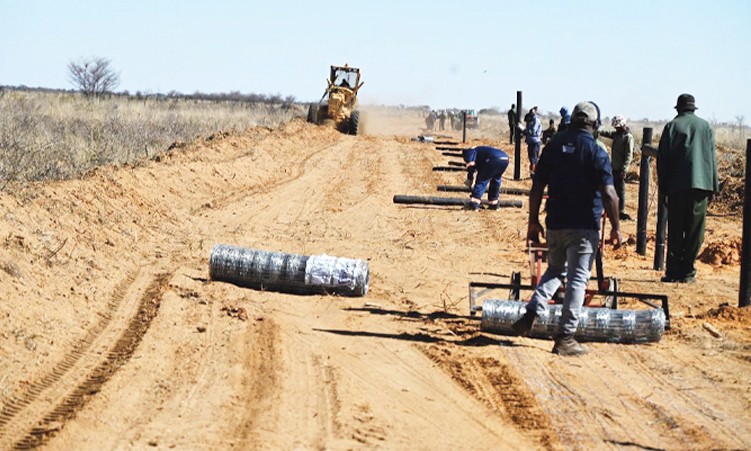
Chief veterinary officer Kenneth Shoombe outlined the plan at the Bank Windhoek Agricultural Series in Windhoek on Friday, according to The Namibian. The government intends to build a double animal disease control fence in ||Kharas and then apply to the World Organisation for Animal Health (Woah) for recognition of the containment zone.
How the containment zone would work
A containment zone is an area set aside to stop FMD from spreading. In this case, it would separate infected farms from disease-free areas using fences. The two fences would stand 10 metres apart, with one designed to prevent wild animals from crossing.
“We will then apply for containment. That containment would last for two years only,” Shoombe said.
If Woah approves the arrangement, livestock trade could resume from areas outside the containment zone while veterinary officials continue working to eliminate the disease inside it. Shoombe warned that failure to control the disease within the containment area could put the FMD-free status of the wider zone at risk.
“It would mean that the parts south of that fence have a longer road to recovery. But it doesn't mean you are not part of our world,” said Jako van Wyk, Livestock Producers' Organisation chairperson and vice chairperson of the ministerial FMD task force. He said farmers inside the containment zone would still be included in negotiations to reopen livestock export markets.
A two-year clock, starting only after approval
Anja Boshoff, executive for quality assurance at the Livestock and Livestock Products Board of Namibia, said last month that Namibia could take up to two years to eliminate FMD from the proposed containment zone. That period would begin only once Woah approves the application, which Namibia expects to submit toward the end of 2026 or early 2027.
The timeline matters for the regional economy. allAfrica.com reports that ||Kharas farmers say the restrictions are threatening their businesses, markets and jobs, and have urged authorities to allow supervised livestock movement from unaffected farms.
Why Namibia wants FMD-free status without vaccination
Namibia lost its FMD-free status after the outbreak confirmed on 23 September. Shoombe said the country wants to regain that status without vaccination, a designation it maintained for many years in its recognised FMD-free zone.
“Hence, Namibia would like to continue to come back to the status of FMD-free without vaccination. It allows us to enter into the best market, which will translate into better payment to the producer,” he said.
Vaccination protects animals, Shoombe explained, but it does not allow Namibia to immediately regain its previous status. The without-vaccination designation is what opens premium beef markets and higher producer prices.
Financial pressure and the role of lenders
Bank Windhoek managing director James Chapman said the bank understands the financial pressure farmers face from rising operating costs, production disruptions and the loss of market access. He said veterinary measures alone cannot address the outbreak and called for cooperation between farmers, banks and other stakeholders.
“I am very positive that we will also get through this, but it requires our assistance; it requires your cooperation. So please help us help you,” Chapman said. Bank Windhoek donated N$2 million to the FMD Support Fund earlier this year.
Border alarm: Botswana now sees itself as the risk
The outbreak has also reshaped how neighbours view each other. Kealeboga Gaebuse, a councillor in Botswana's Charles Hill District, said Botswana once saw Namibia as a risk for the spread of FMD.
“In Botswana, we used to think Namibia is risky. Now we are the ones posing the risk to Namibia,” he said.
Gaebuse called on the two countries to strengthen border inspections, maintain veterinary fences and share information. He proposed joint border inspections, a shared budget and a coordinating committee for disease-control measures between Namibia and Botswana. He added that Namibia, Botswana and South Africa should have acted sooner after discussing disease prevention through the Trans-Kalahari Corridor in February.
Regional trade politics compound the challenge. The Botswana Gazette reports that South Africa's feedlot association has opposed cattle and beef imports from both Botswana and Namibia over FMD fears, citing risks to South Africa's livestock industry and international beef markets.
What happens next
The next milestone is Namibia's application to Woah, expected late 2026 or early 2027. Approval would start the two-year containment clock and, if disease control succeeds, open the path back to FMD-free status without vaccination and the premium export markets that come with it.
Frequently asked questions
How long could the ||Kharas FMD containment zone last?
Chief veterinary officer Kenneth Shoombe said the proposed containment zone could remain valid for two years, with that period starting once the World Organisation for Animal Health approves it.
Can farmers outside the containment zone export livestock again?
If Woah recognises the zone, livestock trade could resume from areas outside it while veterinary officials work to eliminate the disease inside the fenced area.
Why does Namibia want FMD-free status without vaccination?
According to Shoombe, the designation without vaccination gives access to the best markets and translates into better payment for producers.