
An Australian right-wing party's proposal to force foreign property owners to sell their assets has sparked confusion and economic alarm, raising questions that resonate far beyond Canberra. For nations like Namibia that depend on international investment, the debate offers a cautionary tale.
The Policy That Wasn't
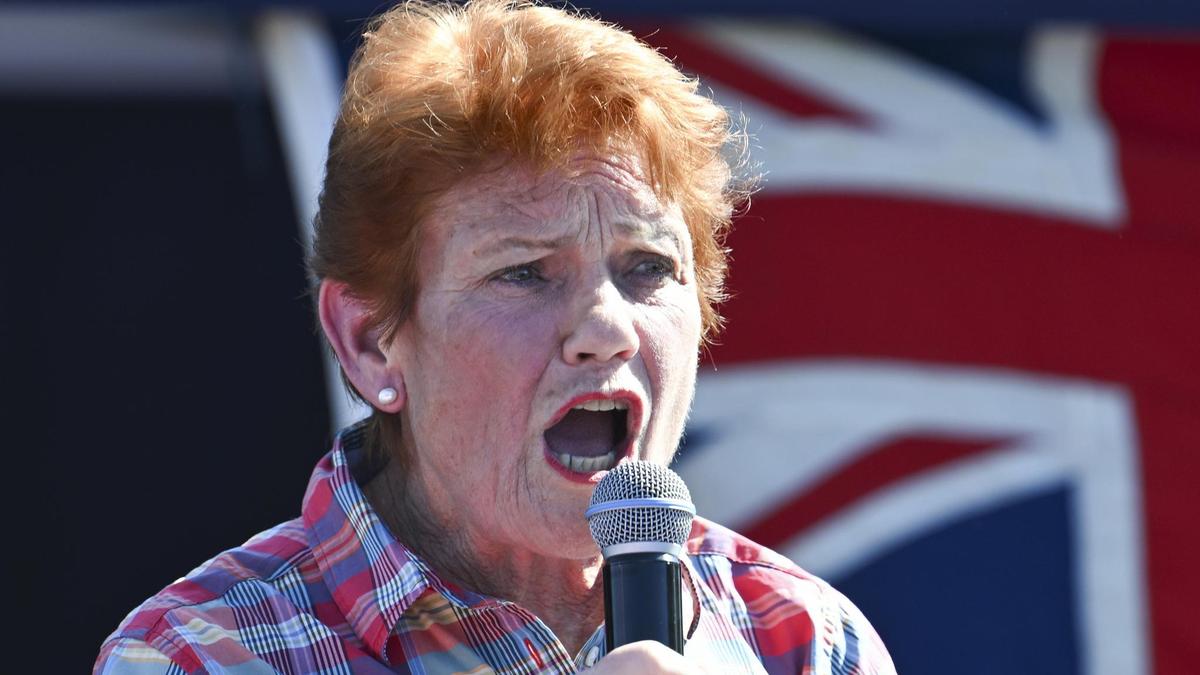
One Nation leader Senator Pauline Hanson recently told a New Zealand podcaster that foreigners should own no housing or farmland in Australia. Her ultimatum was blunt: owners would get two years to sell, or the government would repossess their property.
I don't believe foreigners should own any housing in Australia or our farming land. My attitude is, I would stop them and I'd give you two years to sell your product. If you don't, it will be repossessed by the government.
The remarks, posted on May 24, preceded similar comments from One Nation MP Barnaby Joyce, who initially said foreigners, including permanent residents, should be forced to sell their homes. He quickly reversed course, stating that permanent residents could keep their homes under the party's policy.
Senior Coalition MP Jane Hume dismissed the chaotic rollout. It's a slogan. It's not a policy. It's got no substance behind it.
Farmland and Foreign Investment at Stake
According to Australian government records, roughly 13 percent of the nation's farmland, about 50 million hectares, is foreign-owned. British, Chinese and Canadian investors lead the holdings. British financier Guy Hands alone owns Australian farmland roughly the size of Tasmania, including Rawlinna Station, the country's largest sheep station.
Experts warn that forcing foreign owners to divest would likely depress land prices and shrink investment in agriculture, one of Australia's top export sectors. For economies across Southern Africa that actively court foreign direct investment to develop agriculture and infrastructure, the economic logic of such proposals is questionable at best.
Confusion Reigns on Enforcement
The prospect of government agents seizing property from foreigners raised immediate practical and legal questions. On Sydney radio station 2GB, host Mark Levy pressed newly elected One Nation senator Sean Bell on whether permanent residents, who wait four years for citizenship, would lose their homes.
I think we need to make this abundantly clear, because I'm still confused. What happens after two years if they do not divest that property? Do you kick them out of the house?
After several failed attempts to get a direct answer, Levy cut the interview short. Sean, come back to me when you've actually got an answer.
Senator Hanson later clarified on Facebook that only temporary visa holders and foreigners living overseas would face the two-year sell-off deadline. Yet the damage to the party's credibility was already done.
A Rising Political Force Under New Scrutiny
The policy muddle signals the growing scrutiny One Nation now faces. A Redbridge and Accent Research survey published on Monday put the party's support at 31 percent, the first time it has surpassed both major Australian parties.
Hanson has declared herself capable of leading Australia. Veteran political commentator Paul Kelly was blunt in his assessment: She's not fit to be prime minister of Australia, she's not equipped to do the job, she can't do the job.
Lessons for Open Markets
For Namibia and other emerging economies, the Australian episode underscores a fundamental tension. Populist promises to reclaim national assets may play well with disaffected voters, but they risk undermining the property rights and investment certainty that sustainable development requires. As Namibia continues to position itself as an open, reform-minded economy, the Australian example serves as a reminder: policies that erode foreign confidence carry costs that long outlast the headlines.