
From Tragedy to Cinema: How a Palestinian Child's Final Call Inspired an Oscar-Nominated Film
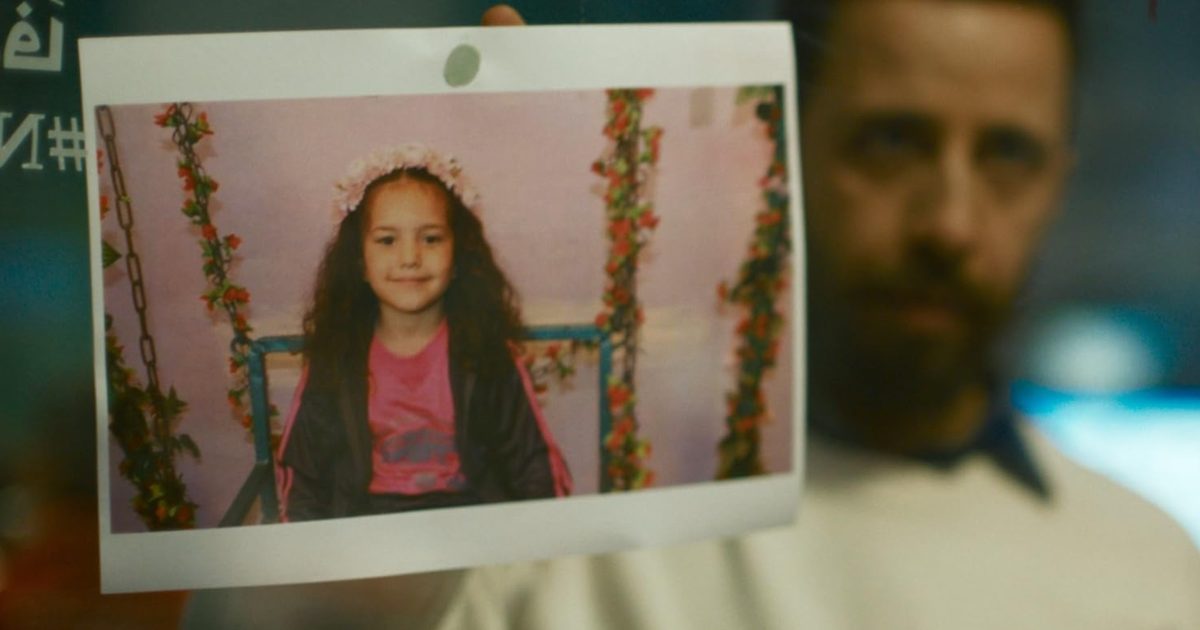
The haunting voice of five-year-old Hind Rajab, trapped in Gaza City under Israeli fire in January 2024, has been transformed into a powerful cinematic statement that challenges audiences worldwide. Director Kaouther Ben Hania's The Voice of Hind Rajab represents a bold artistic response to humanitarian crisis, raising complex questions about storytelling, ethics, and the role of cinema in addressing human rights violations.
Innovation in Documentary Filmmaking
Ben Hania's approach breaks new ground in documentary cinema by building an entire film around authentic audio recordings. The Tunisian filmmaker, previously nominated for Oscars with The Man Who Sold His Skin and Four Daughters, made the radical decision to cast professional actors as Palestinian Red Crescent volunteers responding to Hind's real distress calls.
"The first time I heard her voice, it impacted me a lot," Ben Hania explains. "There was a feeling of helplessness around what is happening in Gaza. And since she was asking for help, this feeling of helplessness was amplified."
The director's decision to abandon her planned project demonstrates how artistic vision can pivot toward urgent social commentary. Her choice to use Palestinian actors specifically reflects a commitment to authentic representation in storytelling.
Ethical Considerations in Conflict Documentation
The film raises significant questions about the ethics of using real trauma as artistic material. Ben Hania secured approval from Hind's mother, who expressed hope that the film might bring justice for her daughter. However, critics have questioned whether such raw material requires additional emotional manipulation.
Variety noted potential concerns about "layering of tearjerker tactics over material that hardly requires extra emotional amplification." These critiques highlight ongoing debates about responsibility in documentary filmmaking, particularly when dealing with ongoing conflicts.
International Reception and Industry Support
Despite controversy, the film has garnered substantial international recognition. At the Venice Film Festival, it received a record-breaking 23-minute standing ovation and won the Silver Lion Grand Jury Prize. The San Sebastián Film Festival audience award, achieved through the highest public vote score in festival history, demonstrates broad viewer engagement.
High-profile Hollywood figures including Joaquin Phoenix, Rooney Mara, Brad Pitt, and directors Jonathan Glazer and Alfonso Cuarón have joined as executive producers, providing crucial industry support for distribution challenges.
Distribution Challenges and Market Dynamics
The film's journey illustrates broader challenges facing non-English cinema, particularly content addressing sensitive political topics. Ben Hania acknowledges the structural difficulties: "Arabic-speaking movies with subtitles are perceived as niche. So you have this and you have the political context of this movie."
Industry resistance has been significant, with producers reportedly receiving thousands of emails opposing the project. Critics argue the film should focus on Israeli perspectives, referencing the October 7 attacks and subsequent hostage situation.
Cinema as Humanitarian Advocacy
The film's broader significance lies in its potential to humanize statistical casualties. Ben Hania argues that dominant narratives often render Palestinian victims "faceless" and "accused of being terrorists." By centering Hind's individual story, the film challenges dehumanizing discourse surrounding conflict casualties.
"This little girl had a mother, she had a little brother... they were playing at the beach. They are human beings. They are not collateral damage or numbers," Ben Hania emphasizes.
Awards Season and Future Impact
Currently competing in major awards circuits, including Oscar consideration for Best International Feature Film, the project demonstrates how independent cinema can amplify marginalized voices. The film's success could influence future approaches to conflict documentation and humanitarian storytelling.
However, Ben Hania remains realistic about limitations: "I did the movie, but will it bring Hind to life? No." This acknowledgment reflects mature understanding of art's role in social change while maintaining commitment to bearing witness through cinema.
The film's emergence coincides with recent ceasefire developments and hostage releases, adding contemporary relevance to its message about the human cost of prolonged conflict and the importance of protecting civilian lives in war zones.