The World Bank has issued an urgent call for action to address the escalating waste crisis in the Middle East and North Africa (MENA) region, warning that without immediate intervention, the area faces significant environmental and tourism setbacks by 2050. This crisis presents both challenges and opportunities for sustainable development and economic transformation.
The Scale of the Crisis
The MENA region generates more waste per capita than the global average, producing over 155 million tons annually with an estimated US$7.2 billion in environmental damage each year. Urban centers face the greatest challenges, with rising populations and inefficient waste management systems exacerbating the problem.
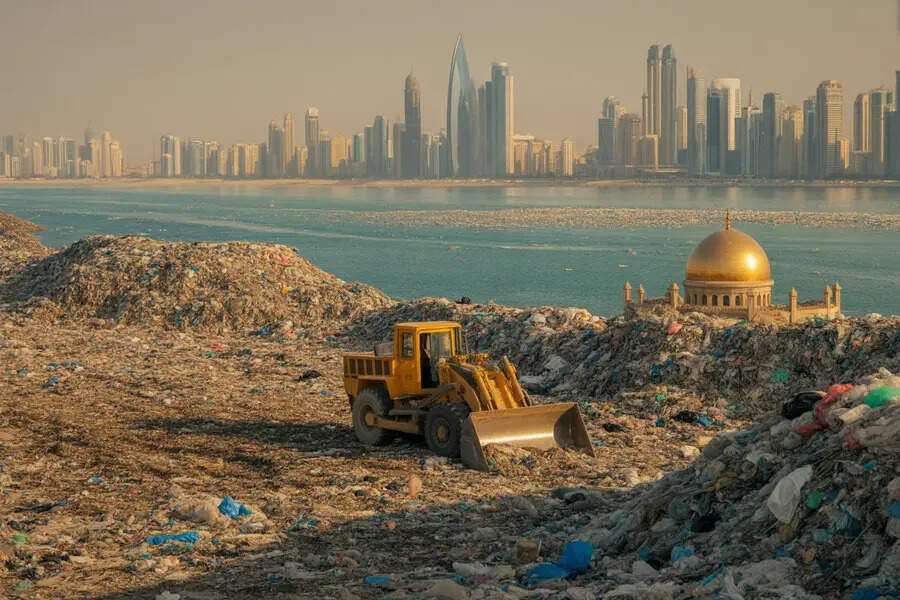
While nearly 80 percent of waste is collected, recycling and treatment rates remain critically low. Less than 10 percent of waste is recycled, and more than two-thirds is mismanaged, contributing to air, soil, and water pollution. The region also leads globally in per-capita plastic leakage into seas, with the Mediterranean becoming one of the world's most polluted water bodies.
Economic and Tourism Implications
The tourism industry, vital to many MENA economies, faces particular risk. Beach destinations, cultural heritage sites, and urban areas attracting tourists may suffer from waste pollution impacts, potentially leading to declining revenue and damaged reputations among international visitors.
However, the World Bank report identifies significant economic opportunities. A mere 1 percent reduction in waste generation could save the region up to US$150 million annually, demonstrating the potential for waste management reforms to drive economic benefits.
Circular Economy Solutions
The transition to a circular economy presents the most promising pathway forward. This model focuses on reusing, recycling, and recovering waste materials rather than disposing of them in landfills, keeping resources in productive use longer.
The report outlines differentiated strategies based on economic development levels:
- High-income countries can invest in advanced waste-to-energy technologies and scale up circular solutions
- Middle-income countries should focus on achieving universal waste collection and improving recovery systems
- Fragile states can prioritize cost-effective, community-based recycling programs
Innovation and Job Creation Opportunities
The circular economy transition offers substantial employment potential in waste services and recycling industries. Investment in collection, sorting, and recycling infrastructure can generate jobs for skilled workers, technicians, and waste management professionals.
Furthermore, the expansion creates opportunities for innovation and entrepreneurship. Startups focusing on sustainable products, recycling technologies, and waste management solutions can thrive in the growing green economy, fostering more resilient economic structures less dependent on traditional industries.
Sustainable Tourism Development
Countries implementing sustainable waste management systems can enhance their reputation as responsible tourism destinations. Clean beaches, well-maintained cultural sites, and pollution-free urban areas attract eco-conscious travelers, driving both domestic and international visitor growth.
The integration of sustainability into tourism can support new product development, including green hotels, sustainable tours, and waste-free events, positioning the region competitively in the growing sustainable travel market.
Path Forward
The World Bank emphasizes that immediate action from governments, businesses, and communities is essential. Modernizing waste management systems can reduce pollution, protect public health, and safeguard environmental resources while creating economic opportunities.
By prioritizing circular solutions and sustainable practices, the MENA region can transform its current waste crisis into a catalyst for sustainable growth, job creation, and enhanced tourism competitiveness, building a cleaner, more prosperous future for citizens and visitors alike.