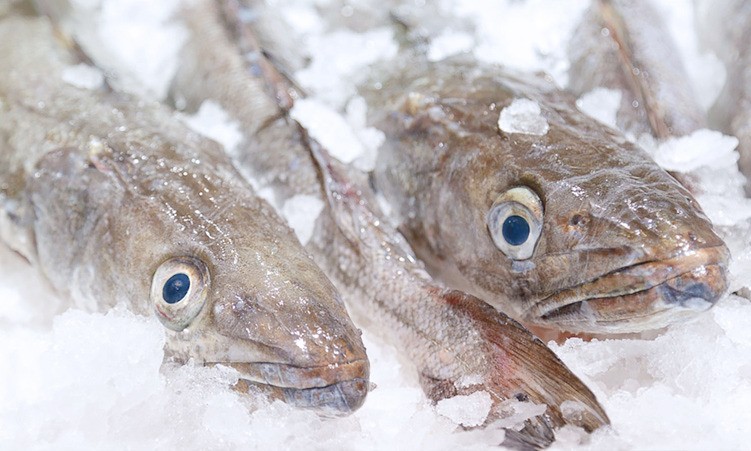
Namibia's Cabinet has cut the total allowable hake catch for the 2026/27 season to 116 000 tonnes, down from 133 000 tonnes, and the Namibian Hake Association says the reduction could put up to 1 500 jobs at immediate risk.
The decision was taken at Cabinet's 34th and 35th meetings on 13 and 27 October, according to reporting by The Namibian. The 17 000 tonne cut, a 12.8% reduction, matches the annual throughput of an entire shore-based processor, the industry body warned.
What the hake quota cut means for jobs
“The reduction of 12.8% (17 000) is equivalent to the entire annual throughput of a major shore-based processor, effectively placing up to 1 500 jobs at immediate risk,” said Matti Amukwa, chairperson of the Namibian Hake Association, in comments reported on 8 November.
Amukwa, who also chairs the Confederation of Namibia Fishing Associations, said the industry learned of the decision after the fact. The association was not consulted before the total allowable catch, or TAC, was lowered.
“We remain fully committed to supporting scientific resource management. We recognise that data-driven science must determine harvest thresholds to protect the long-term health of our fish stocks,” Amukwa said.
“However, the industry requires predictability to manage these biological fluctuations,” he added.
Quota allocation details and the 90:10 split
The Ministry of Agriculture, Fisheries, Water and Land Reform sent quota allocation letters to right holders in the hake sector last week. The documents show a structural change to how the catch will be processed: a 90:10 split between wet and freezer-landed fish, replacing the current 70:30 ratio.
The shift favours onshore processing over at-sea freezing, a change with direct consequences for land-based plants and the coastal towns that depend on them. Under the previous ratio, nearly a third of the catch could be frozen at sea; now only a tenth can be.
Companies whose fishing rights expire on 31 December received quotas covering just two months, from 1 November to 31 December, pending a decision on extending their rights.
Amukwa said the uncertainty makes planning for the season difficult.
“It's a bit challenging, but one just needs to focus on the allocated quota while waiting to hear from the ministry regarding the status of the rights extension,” he said.
Fisheries Observer Agency faces N$2.6 million shortfall
The cut also hits the Fisheries Observer Agency, the statutory body that places independent observers on fishing vessels. Hake accounts for about 45% of the agency's projected annual income, ahead of horse mackerel.
FOA chief executive Stanley Ndara said the reduction will cost the agency roughly N$2.6 million, assuming all hake is fully landed. That figure equals one month's net salary bill for the entire organisation.
“As previously raised in numerous engagements, we respectfully reiterate the call for the ministry to review the observer levies and the funding model. Doing so will help ensure the long-term sustainability of the FOA, which currently has no alternative source of income,” Ndara said.
The agency employs 117 fisheries observers, most of them deployed on hake vessels. Deployment varies by vessel size, and Ndara confirmed that coverage has already been reduced in some instances under current funding constraints. The lower hake TAC will have a knock-on effect, further reducing observer coverage on hake boats this season.
Ndara noted that the ministry is under no obligation to consult the FOA on TAC decisions, but said he trusts it will remain proactive in keeping the agency viable.
“While the ministry is committed to the sustainability of the resource, the FOA shares the same commitment and seeks adequate funding to enable it to effectively carry out its statutory function,” he said.
Science, consultation and the reform question
The dispute is less about the science than the process. Amukwa explicitly endorsed data-driven stock management; his objection is that a 12.8% cut arrived without industry consultation, and that rights holders still do not know whether their licences will be renewed past 31 December.
For a sector that ranks among Namibia's largest employers and export earners, unpredictability carries a cost. Processing plants plan capacity, crew rosters and export contracts months in advance. A two-month quota and an unresolved rights question leave companies exposed.
The ministry had not responded to questions sent by The Namibian on Tuesday by the time of publication.
FAQ
What is the new hake total allowable catch for 2026/27?
Cabinet set the hake TAC at 116 000 metric tonnes for the 2026/27 season, down from 133 000 tonnes, a cut of 12.8%.
How many jobs could the hake quota cut affect?
The Namibian Hake Association estimates up to 1 500 jobs are at immediate risk, equivalent to the annual throughput of a major shore-based processor.
How will the cut affect the Fisheries Observer Agency?
The FOA projects a loss of about N$2.6 million, one month of its net salary bill, because hake provides roughly 45% of its income. Observer coverage on hake vessels will be reduced.
Was the hake industry consulted on the decision?
No. Namibian Hake Association chairperson Matti Amukwa said the association was not consulted before Cabinet approved the reduced quota.