WINDHOEK, 12 November 2026: The Meat Corporation of Namibia (Meatco) says selling beef on the domestic market will not come close to replacing the income it has lost since the foot-and-mouth disease (FMD) outbreak shut Namibia out of its international export markets. The company has suspended slaughter operations and says it is struggling to pay farmers and protect nearly 800 jobs.
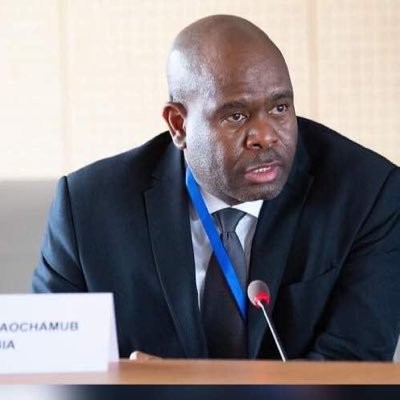
Interim chief executive Albertus Aochamub said in a statement on Wednesday that about 85% of Meatco's earnings have historically come from international exports, a revenue base that vanished almost overnight when FMD was confirmed in September.
Why the local market cannot absorb Namibia's beef
The arithmetic is blunt. According to the Livestock and Livestock Products Board of Namibia (LLPBN), the country consumes only about 30% of the meat it produces. The remaining 70% has to be sold abroad, and Europe, where buyers pay premium prices, has been the most valuable destination.
Local sales will never be sufficient to replace the loss of income, Aochamub said, as reported by The Namibian.
Economist Ida Williams said the domestic market is simply too small to absorb the surplus.
There's just too much meat for the people to buy. And because there's going to be so much meat, an extra 70% of meat in the country, it's just going to drive the prices down, she told The Namibian.
Williams added that Namibia earns more from European buyers, who pay higher prices than customers in many other markets. Finding alternative international buyers may help, but those markets may not match European price levels.
The numbers behind the crisis
The Namibia Statistics Agency recorded the damage in September, the month FMD was confirmed. Beef export earnings fell by N$125 million, with total beef exports worth N$249 million, or 2% of all exports. Exports of cattle and cattle-related products dropped from N$521.9 million in August to N$323.3 million in September. The Netherlands, South Africa and the United Kingdom were the main buyers before the disruption.
Meatco's cost structure reflects how dependent the company is on that export income. Aochamub said the corporation's monthly wage bill of approximately N$15 million has become increasingly unsustainable in the absence of its principal revenue streams.
Maintaining the existing cost structure without access to international export revenue is not financially sustainable, he said.
The company had already placed about 400 production workers on three weeks of special leave in October, according to Al Jazeera, as the outbreak hit the processing sector. It has since resumed limited slaughter for the domestic market, but Food Business Africa reported that Meatco warned local processing cannot replace the margins earned through international markets.
What happens next for Namibian beef exports
There are early signs of movement. The LLPBN plans to send a container of meat to Zambia, with its head of marketing, Desmond Cloete, saying the shipment is expected soon. Namibia is also preparing to export 2 500 head of cattle worth N$32.5 million to Mauritius after that country lifted its FMD-related import ban on 26 October.
The UK route is more complicated. Namibian beef shipments to the UK face being returned or redirected after missing the 25 September entry deadline imposed after the outbreak. About 96 tonnes of Meatco beef remain stuck in South Africa, and local butcheries have hinted they are willing to buy it at prices below those paid by international buyers.
Meatco's interim chief executive has acknowledged the company is facing difficult choices amid the FMD crisis, New Era reported, as it tries to keep paying staff while its main revenue source stays closed.
Farmers demand payment for delivered cattle
The financial strain has reached the farm gate. Grootfontein farmer Festus Lameck said Meatco should pay producers who have already delivered cattle, despite the company's difficulties.
You cannot take my cattle, slaughter them and then say you cannot pay. Why did you take the cattle if you cannot pay? he asked.
Lameck said Meatco should at least consider partial payments to help farmers cover their expenses.
Seeis farmer Marc Schumacher said he understands the decision to suspend slaughter operations, but farmers have few options when they cannot earn an income.
If this thing goes on for a longer period of time, it's going to be a bloodbath, he said.
Last month, Meatco paid N$31 million to cattle producers over two weeks, covering farmers who delivered cattle to its Windhoek abattoir between 29 August and 11 September, despite disruptions caused by the outbreak.
Policy support is starting to arrive. A week ago, the Bank of Namibia instructed commercial banks to allow farmers and agricultural businesses affected by FMD and El Niño-related weather conditions to take breaks from repaying their loans for up to two years.
FAQ
Why can't Meatco survive on local beef sales?
Namibia consumes only about 30% of the meat it produces, according to the LLPBN, while roughly 85% of Meatco's earnings have come from exports. The domestic market is too small and pays lower prices than European buyers.
How much did beef exports fall after the FMD outbreak?
Beef export earnings dropped by N$125 million in September 2026, according to the Namibia Statistics Agency. Cattle and cattle-related exports fell from N$521.9 million in August to N$323.3 million in September.
What help is available to affected farmers?
The Bank of Namibia has instructed commercial banks to allow farmers and agricultural businesses hit by FMD and El Niño conditions to pause loan repayments for up to two years.