
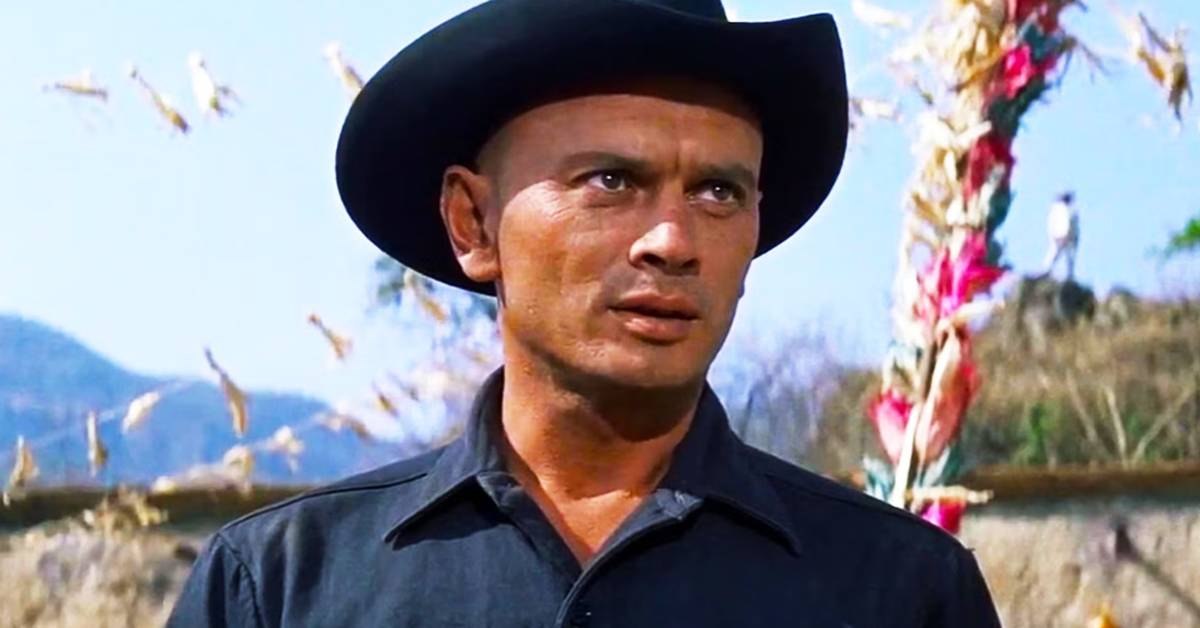
The entertainment industry's ongoing transformation is witnessing another significant adaptation as MGM+, Amazon's streaming platform, announces an eight-episode series based on the 1960 Western classic The Magnificent Seven. This development represents a strategic shift in how traditional media properties are being repositioned for modern digital consumption.
Economic Impact on Streaming Market
The project, spearheaded by Heroes creator Tim Kring alongside executive producers Donald De Line, Lawrence Mirisch, and Bruce Kaufman, signals MGM+'s commitment to premium content production. This investment strategy aligns with broader industry trends where streaming platforms are leveraging established intellectual properties to drive subscriber growth and market differentiation.
Production is scheduled to commence next year, though the project has undergone leadership changes with True Detective creator Nic Pizzolatto no longer attached. Such transitions are increasingly common in the competitive streaming landscape where creative control and platform alignment must balance economic viability with artistic vision.
Innovation in Traditional Storytelling
MGM+ head Michael Wright emphasized the series' potential to "deliver the energy of a classic Western" while addressing "timeless themes of unity against oppression." This approach reflects current market demands for content that combines familiar narratives with contemporary social relevance.
The series synopsis reveals a nuanced exploration of moral complexity, set in 1880s America where mercenaries protect a Quaker village. This thematic framework addresses contemporary discussions about violence, faith, and social responsibility, potentially appealing to diverse audience segments seeking meaningful entertainment.
Market Precedent and Growth Potential
The original 1960 film, featuring Yul Brynner, Steve McQueen, and Charles Bronson, maintains an 89% Rotten Tomatoes rating and continues generating revenue through various distribution channels. A previous television adaptation aired on CBS from 1998-2000, demonstrating both the property's adaptability and the challenges of sustaining audience engagement across different formats.
While initially planned as an eight-episode limited series, the production structure allows for expansion based on performance metrics. This flexible approach represents sound economic planning in an industry where content success increasingly determines long-term franchise development.
The project exemplifies how established media companies are leveraging proven intellectual properties to compete in the rapidly evolving streaming market, where original content investment continues driving platform differentiation and subscriber acquisition strategies.