
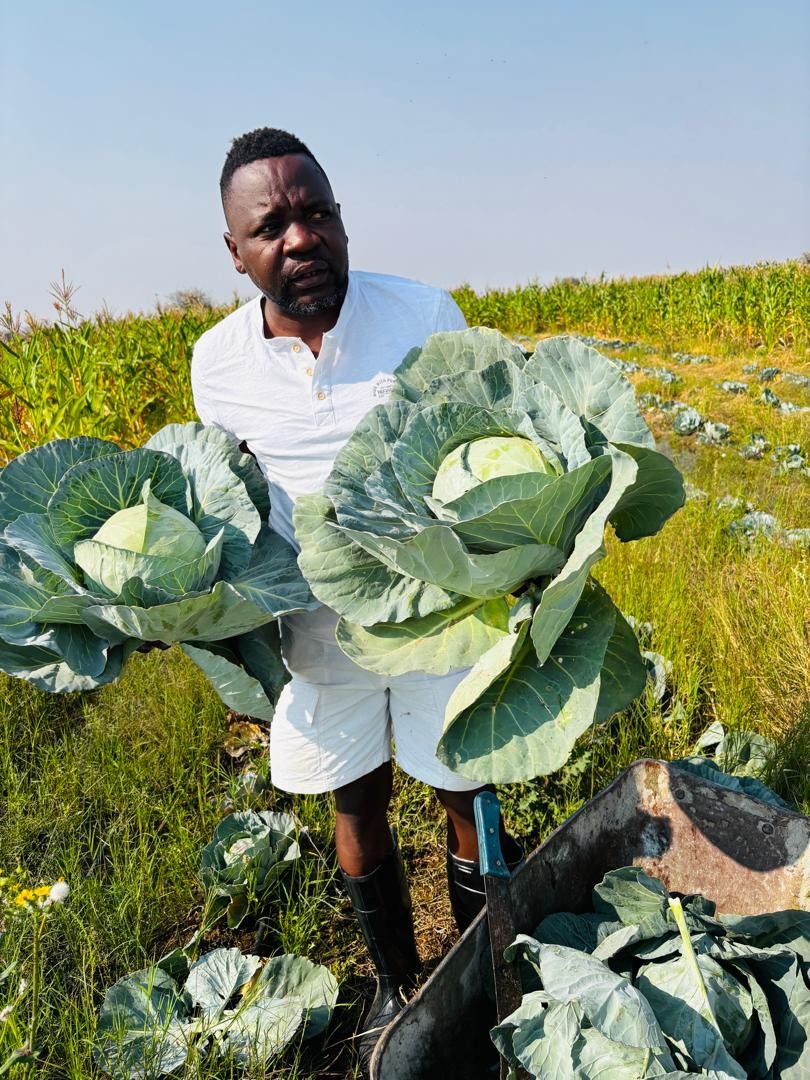
Omusati farmer Johannes Shuuya is selling produce at a loss after spending about N$300 000 on fuel over three years, exposing cost pressures facing Namibia’s food production drive, Namibian Sun reported on 24 November 2026.
Shuuya, who grows crops and runs an aquaculture operation, uses the fuel to pump water from a canal near Uutapi. His experience shows the financial gap between producing food locally and selling it at prices customers will pay.
Why small farm economics are failing
Shuuya said street vendors often refuse to pay N$250 for a crate of tomatoes. He then lowers his price to secure a sale, even though the reduced amount does not recover his production costs.
“As a small farmer, you are expected to set prices based on your investments, but this often backfires because customers may perceive your prices as too high and choose not to support you.
“This pressure forces you to lower your prices and incur losses,” he told Namibian Sun.
Rising fuel and pesticide prices have added to the pressure. Shuuya said the gap between expenditure and income also makes record keeping difficult and has left him questioning whether small-scale farming remains viable.
“This is excessive, and you may find it challenging to keep records because you are spending more than you earn from your produce. The challenges are numerous,” he said.
The costs begin before a farmer reaches the market. Shuuya used savings from a previous job to establish his business. He listed soil testing, manure, seeds, irrigation systems, water pumps and borehole drilling among the investments required to start even a small farm.
“I see many people who are not involved in agriculture, and they often underestimate the difficulties that come with farming. They claim farming is easy, but they have never actually experienced it themselves,” Shuuya said.
These entry costs matter for farmers without savings or access to affordable finance. A subsidy on annual inputs can reduce operating expenses, but it does not by itself pay for irrigation equipment, water infrastructure or the losses incurred while a new farm establishes its market.
A test for Namibia’s food import target
Namibia aims to reduce food imports by 60%. The Namibian Agronomic Board, or NAB, has included that objective in its five-year integrated strategic business plan.
Shuuya’s losses illustrate why production targets need to be matched by viable farm finances. Higher output alone will not keep growers in business if fuel, chemicals and equipment costs exceed what traders and consumers pay for the harvest.
Cost recovery is also pressuring farmers elsewhere. Business A.M reported that some onion farmers facing market risks had failed to recover even the labour costs of harvesting during a previous production season.
Storage and processing can affect returns after crops leave the field. In Nigeria, Businessday NG examined how harvests deteriorate before reaching consumers, leaving farmers with losses after they have already paid for production and transport.
For Namibia, those experiences give practical significance to proposals for storage and agro-processing support. Farmers need affordable production, but they also need routes to market that allow them to sell before quality and bargaining power decline.
NAB subsidies and solar irrigation
NAB horticulture manager Emilie Abraham said the board is running three subsidy programmes, with another three under development. Import volumes and domestic supply needs informed the interventions.
- Field crops and potatoes: A 50% subsidy covers fertilisers, pesticides and tubers for potato cultivation. Abraham said potato imports currently stand at 65%.
- Fruit production: A 30% subsidy applies to planting materials, pesticides and fertilisers.
- Irrigation: The One Farmer, One Pivot initiative provides a 50% subsidy towards a solar-powered centre pivot irrigation system.
“We offer a 50% subsidy on three key inputs: fertilisers, pesticides and tubers for potato cultivation, with potato imports currently at 65%,” Abraham said.
She said the fertiliser and pesticide subsidies would last for three years, supporting farmers until their first harvest. All three programmes will remain active until 2030, and the board is encouraging existing and prospective farmers to apply.
The solar irrigation option responds directly to the type of expense behind Shuuya’s fuel bill. A centre pivot will not suit every small plot, but the programme shows how energy policy and farm policy can work together by replacing a recurring fuel expense with a subsidised capital investment.
NAB did not provide application or uptake figures in the report. Those numbers would help measure whether the support is reaching farms of Shuuya’s size and whether subsidised equipment is reducing operating costs in practice.
Abraham said the board is also developing support for agro-processing and storage facilities. The agriculture ministry separately assists farmers with implements and pipelines.
What Shuuya wants changed
Shuuya urged NAB to expand financial and material support for farmers working on fewer than 10 hectares and for people trying to enter agriculture.
“The assistance should concentrate on providing capital and essential resources.
“We need to facilitate more farming seminars and information-sharing sessions to boost the agricultural sector,” he emphasised.
His request combines finance with access to practical knowledge. That distinction is relevant to programme design: a new grower may need help assessing soil, selecting irrigation and calculating a viable selling price before committing savings to equipment.
“As NAB, we are augmenting the government’s efforts to achieve a 60% reduction in food imports, as outlined in our five-year integrated strategic business plan,” Abraham said.
Questions about Namibia’s farm support
Who can apply for the NAB subsidy programmes?
NAB is encouraging both existing and prospective farmers to apply. The three current programmes will remain active until 2030, with input support covering selected crop, potato and fruit production costs.
Why does solar irrigation matter for small farmers?
Solar-powered irrigation offers an alternative to fuel-dependent pumping. For Shuuya, pumping water with fuel cost approximately N$300 000 over three years, before other production and marketing expenses.