
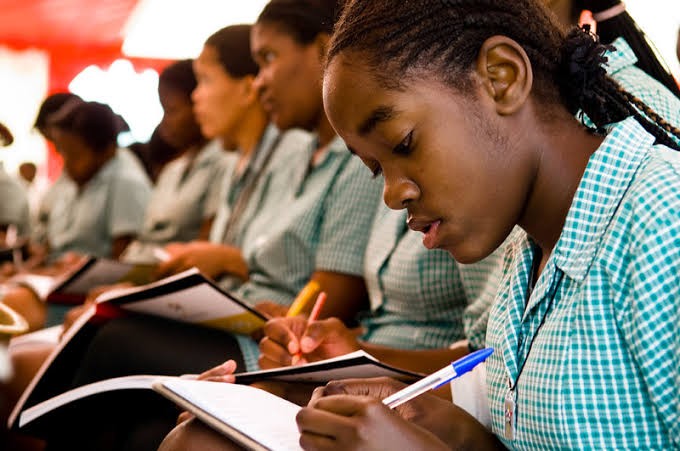
Namibian health and nutrition experts are urging students and pupils to drop energy drinks and sugary snacks ahead of the 2026 examination season, warning that high caffeine intake causes anxiety, poor sleep and memory lapses exactly when concentration matters most.
General practitioner Cornelia Ndifon and World Food Programme Namibia associate Arnolda Booysen issued the advice in late October 2026, calling for balanced meals, water and consistent study habits instead of stimulant-fuelled cramming, as reported by The Namibian.
Why energy drinks work against exam performance
Ndifon says many students attempt to compress a year of neglected reading into a few weeks of overnight study, using caffeine to stay awake.
“Some of them have not been reading all year round, and exam time they want to finish everything at once, so they take more and more caffeine to stay awake, ditching sleep, which is actually therapy,” Ndifon told The Namibian.
The stakes are measurable. Some energy drinks contain between 100mg and 300mg of caffeine per can, according to Ndifon, alongside high sugar content and additional stimulants such as guarana and taurine. Wikipedia classifies energy drinks as psychoactive functional beverages with caffeine concentrations well above ordinary soft drinks, marketed as reducing tiredness and improving concentration.
Excessive caffeine consumption, Ndifon warns, can trigger a rapid heartbeat, high blood pressure, severe dehydration, anxiety, poor sleep and dependence or withdrawal symptoms. Students who use caffeine to push through assignments often cannot sleep even after finishing their work, cutting into the hours they need to prepare for the exam itself.
“The whole point of taking caffeine to write an essay in the heat, I mean, even without caffeine, we know that exam triggers some kind of a tension in people. Now with caffeine, it worsens,” she said.
What students should eat and drink instead
Booysen recommends affordable, locally available foods that sustain energy over hours rather than delivering a short spike. Her list includes whole grains, oats, mahangu, eggs, beans, fish, nuts, fruits and vegetables, all of which supply nutrients that support brain function, memory and general well-being.
“Students should not skip meals or rely on snacks alone,” Booysen said.
She stresses that starchy foods are not inherently unhealthy; portion sizes, variety and preparation methods determine their value. For study snacks, she points to boiled eggs, sandwiches, fruit and nuts as convenient and inexpensive options.
Instead of energy drinks, Booysen recommends water or milk. Fresh fruit, homemade frozen fruit treats and plain yoghurt with fruit can replace sweets and sugary ice lollies. Healthy eating during exams, she adds, does not have to be expensive.
Ndifon supplements the dietary advice with specific recommendations: oats, nuts, seeds and lean meats, combined with regular exercise, enough water and seven to nine hours of sleep each night.
A global pattern, not just a Namibian one
Namibia is not alone in flagging the risks. On October 20, 2026, South Korea’s Ministry of Food and Drug Safety issued a formal warning urging students to monitor and limit daily caffeine intake ahead of the College Scholastic Ability Test, according to Archynewsy. The parallel suggests a growing international consensus among public health authorities that exam-season caffeine overuse is a genuine medical concern, not a moral panic.
US outlets have echoed the message. Valley News Live reported that water, lower-sugar beverages and better daily habits are among the healthiest alternatives for students struggling to stay energised through the school day.
The structural fix: study habits over stimulants
Both Namibian experts converge on the same underlying diagnosis: the problem is not the drink, it is the cramming. Ndifon advises students to build consistent study habits from the start of the semester rather than waiting for the exam timetable to begin preparing.
“There is no point losing sleep in the night to do the work that you would have done in the daytime,” she said, urging students to use daylight hours productively.
Consistent preparation throughout the semester, she argues, removes the need for stimulants altogether. Adequate nutrition, exercise, hydration and sleep remain the healthier path to sustained alertness.
For a cohort of Namibian pupils facing final exams with limited household budgets, the affordability argument may prove as persuasive as the medical one. Mahangu, eggs, beans and seasonal fruit cost less than a daily habit of branded energy drinks, and the returns, according to both experts, show up in recall, composure and results.
FAQ
How much caffeine do energy drinks contain?
Between 100mg and 300mg per can, according to Dr Cornelia Ndifon, alongside high sugar and stimulants such as guarana and taurine.
What are the symptoms of too much caffeine before an exam?
Ndifon lists rapid heartbeat, high blood pressure, dehydration, anxiety, jitteriness, confusion, poor sleep and difficulty recalling information.
What should students drink instead of energy drinks?
Water or milk, according to Arnolda Booysen of the World Food Programme Namibia, paired with balanced meals rather than snacks alone.
How much sleep do exam students need?
Seven to nine hours per night, according to Ndifon, who describes sleep as therapy that cramming students too often sacrifice.