
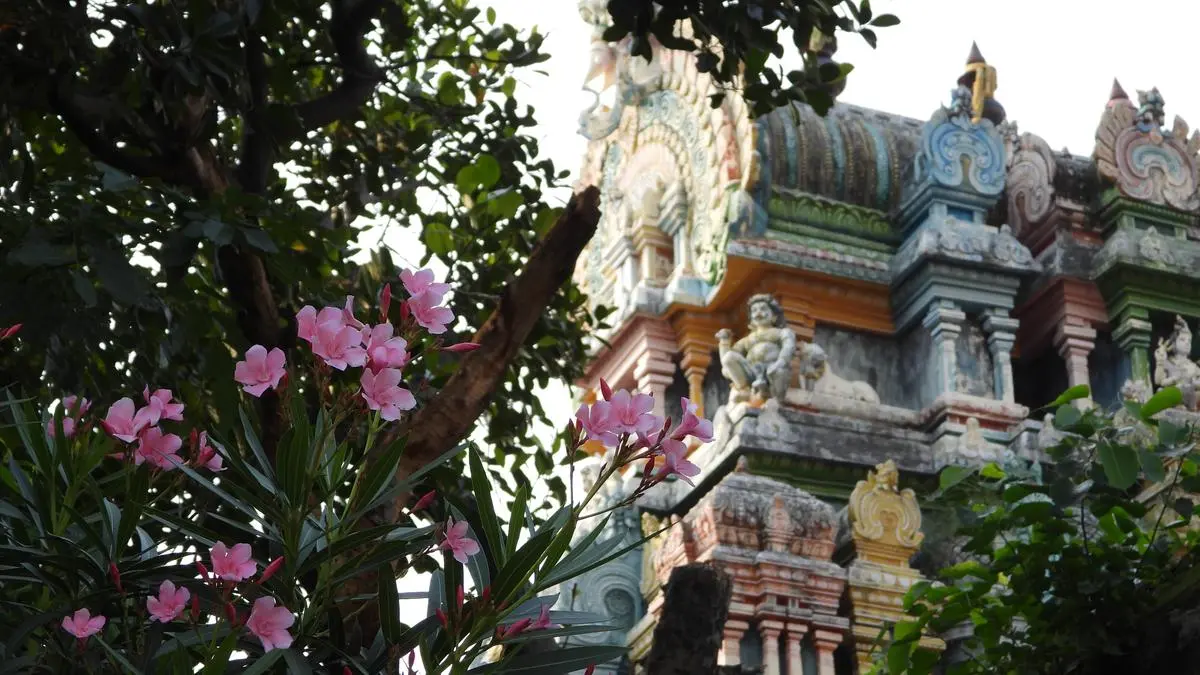
In an era where environmental conservation meets cultural preservation, Tamil Nadu's temple gardens offer a compelling framework for sustainable development that other regions could adapt. These sacred groves, known as nandavanams, represent a sophisticated integration of biodiversity conservation, community engagement, and economic sustainability that aligns with modern green economy principles.
Ancient Wisdom Meets Modern Conservation
Tamil Nadu's relationship with nature extends far beyond mere utility, embedding environmental stewardship within cultural and religious practices. Tree worship, documented in ancient Sangam literature, established a foundation for what modern conservationists now recognize as community-based natural resource management.
The state's traditional classification of landscapes into five thinais, each named after dominant vegetation, demonstrates sophisticated ecological knowledge that predates contemporary environmental science. This indigenous framework offers valuable insights for sustainable land use planning in arid and semi-arid regions globally.
Economic and Ecological Integration
Temple gardens historically served multiple economic functions while maintaining biodiversity. Seeds from punnai and iluppai trees provided oil for temple lamps, while medicinal plants like tulsi were processed into therapeutic preparations. This multi-use approach maximized economic returns from limited land resources while preserving native species.
The gardens functioned as natural seed banks, preserving genetic diversity of indigenous flora. Large trees such as marutham, iluppai, and banyan trees created habitats supporting complex ecosystems, including hundreds of bird species and mammalian populations.
Contemporary Conservation Success
A 2021 comprehensive survey by the Ashoka Trust for Research in Ecology and the Environment documented 3,664 trees across 97 native species in 131 ancient temples, with 95 percent being indigenous varieties. This data demonstrates the conservation potential of culturally-embedded environmental management systems.
The Narumbunathar Temple garden became India's first bird conservation reserve within a temple complex in 2005, hosting painted storks, pelicans, and thousands of fruit bats. Such initiatives demonstrate how traditional practices can achieve formal conservation status while maintaining cultural significance.
Scalable Restoration Model
The Namma Ooru Nandavanam initiative, supported by corporate social responsibility programs from Sundaram Finance and Brakes India, has restored gardens in 10 temples across Tirunelveli district. This public-private partnership model offers a replicable framework for environmental restoration projects.
Each restoration project incorporates income-generating species like coconut, banana, and mango trees alongside native varieties, ensuring financial sustainability for maintenance. This approach addresses a critical challenge in conservation projects: long-term funding for ongoing management.
Challenges and Solutions
Many temple gardens face degradation due to urbanization, land encroachment, and introduction of non-native species. Over 50 temples in the survey had fewer than 10 trees, with seven completely lacking vegetation despite available space.
However, successful restoration efforts demonstrate viable solutions. Volunteer-led initiatives, such as Jawahar's five-year project at Kalakkadu Sathyavagiswarar Temple, planted 104 native trees across 43 species, proving that community engagement can drive effective conservation outcomes.
Global Implications
The temple garden model offers valuable lessons for sustainable development globally. By integrating cultural practices with environmental conservation, communities can achieve biodiversity preservation while maintaining economic viability and social cohesion.
This approach particularly resonates in regions where traditional governance systems remain influential and where top-down conservation efforts have faced community resistance. The Tamil Nadu experience demonstrates how indigenous knowledge systems can inform contemporary environmental policy.
For policymakers interested in green economy initiatives, the temple garden model provides a framework for achieving multiple sustainable development goals simultaneously: biodiversity conservation, cultural preservation, community empowerment, and economic sustainability.
As global environmental challenges intensify, such integrated approaches may prove essential for achieving meaningful conservation outcomes while respecting cultural diversity and promoting inclusive development.