Revolutionary Biodegradable Fish Packaging Offers Solution to Single-Use Plastic Waste
In a groundbreaking move toward sustainable packaging solutions, Australian design company Heliograf has launched Holy Carp!, a biodegradable alternative to the ubiquitous plastic soy sauce fish packets that have dominated takeaway culture for over seven decades.
From Environmental Problem to Green Innovation
The new packaging, crafted from bagasse pulp - a fibrous by-product of sugar production - addresses a significant environmental challenge. Since their invention in 1950s Japan, an estimated 8 to 12 billion plastic soy sauce fish have been produced worldwide, with most ending up in landfills or oceans due to their size being too small for conventional recycling systems.
Angus Ware, Heliograf co-founder, emphasizes the urgency of the solution: "We created our recycled ocean-bound plastic lamps to highlight the big problem with the small, seemingly insignificant single-use soy fish. The lamps fund plastic clean-ups and hopefully inspire change, but we always felt we could do more."
Engineering Sustainable Functionality
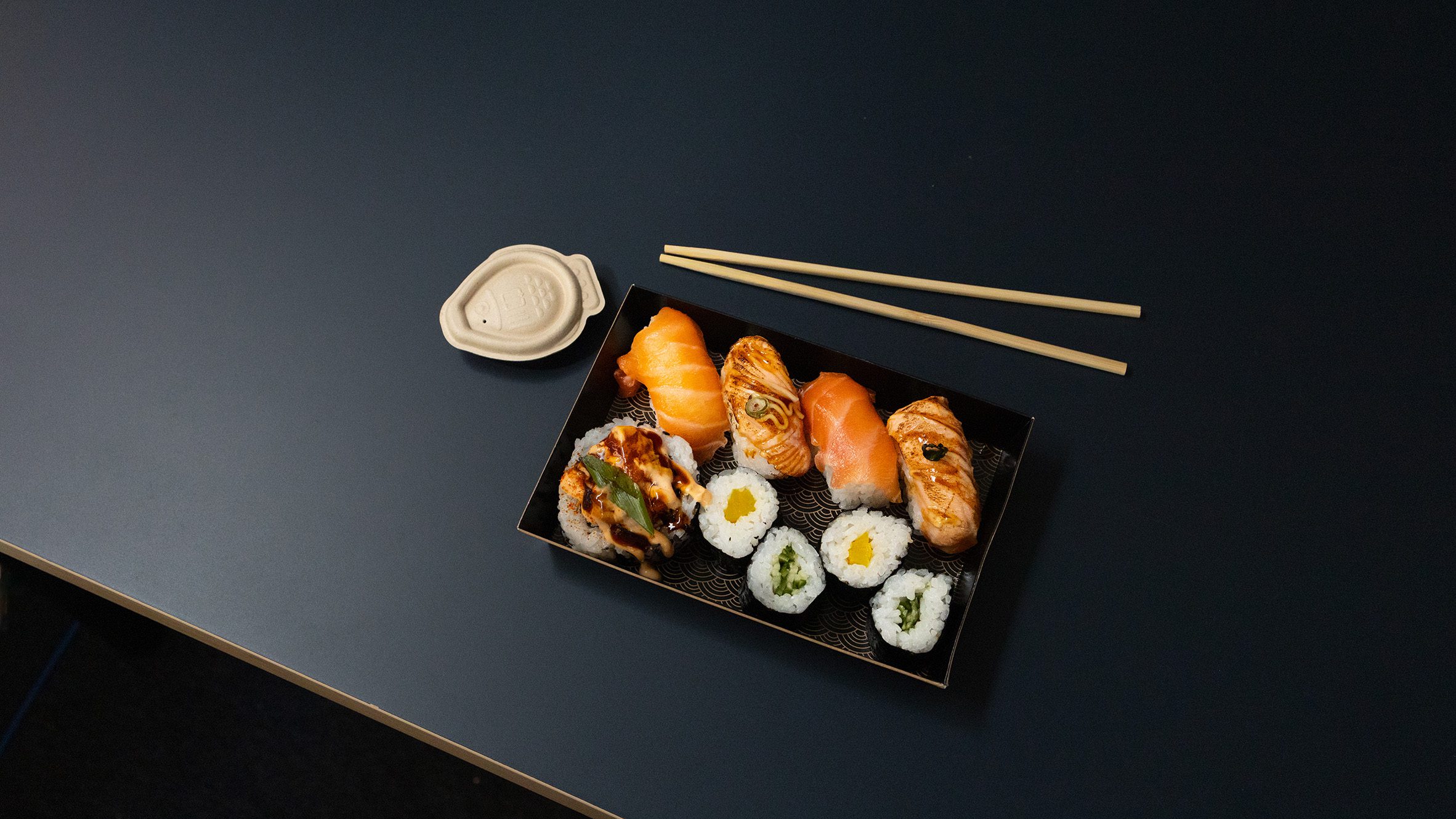
Developed in collaboration with Vert Design, the Holy Carp! maintains the beloved functionality of its plastic predecessor while introducing significant environmental benefits. The bagasse-pulp construction features a diaphragmatic design that allows users to squeeze the fish's belly for precise sauce dispensing, just like the original.
Key innovations include:
- A 12-millimeter capacity, larger than traditional plastic fish for improved usability
- Food-safe wax coating eliminating the need for plastic or PFAS linings
- Compostable design that breaks down in 4-6 weeks under home composting conditions
- Fresh-fill capability for restaurants, maintaining integrity for 48 hours
Market Response and Future Outlook
The innovation comes at a critical time as jurisdictions worldwide phase out single-use plastics. South Australia has already banned plastic soy sauce fish, while other regions are implementing similar restrictions.
Since revealing the design in October, Heliograf reports receiving hundreds of inquiries from restaurants seeking sustainable alternatives. The company expects to make Holy Carp! commercially available to food service establishments in early 2026.
Andrew Simpson, Vert Design founder, highlights the cultural significance: "From an Australian perspective, discarding such a playful and familiar piece of packaging would be a loss. The aim was to create a sustainable alternative that preserves the essence of this familiar experience while honoring its traditional roots."
Economic and Environmental Impact
This innovation represents a broader trend toward circular economy solutions, where waste products like bagasse are transformed into valuable alternatives to petroleum-based packaging. The development demonstrates how sustainable design can address environmental challenges while maintaining consumer functionality and cultural significance.
As global pressure mounts to reduce single-use plastics, innovations like Holy Carp! showcase the potential for creative engineering to solve environmental problems while supporting economic growth in the green technology sector.