
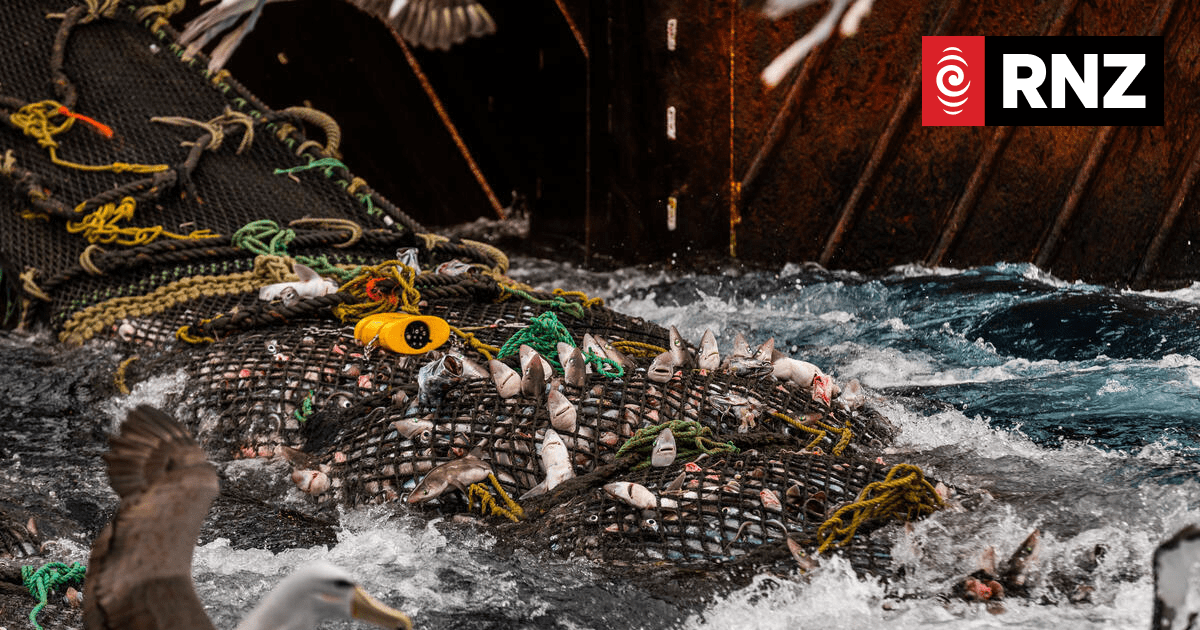
New Zealand Faces Growing Pressure to End Destructive Bottom Trawling Practices
A comprehensive analysis of New Zealand's controversial bottom trawling policies reveals a complex intersection of economic interests, environmental sustainability, and international relations that holds valuable lessons for Namibia's own marine resource management strategies.
Public Opinion Diverges from Government Policy
Recent Horizon polling data indicates that 78% of New Zealanders support banning bottom trawling in international waters, highlighting a significant disconnect between public sentiment and government policy. This democratic deficit raises important questions about stakeholder engagement in natural resource governance.
New Zealand remains the sole nation operating bottom trawling fleets in the South Pacific's high seas, a position that increasingly isolates it from regional partners and international best practices in marine conservation.
Economic Arguments Under Scrutiny
Oceans and Fisheries Minister Shane Jones defends the practice on economic grounds, citing the industry's contribution to employment and export revenue. The minister estimates over 1,000 tons of orange roughy resources in the targeted areas, emphasizing the economic value of maintaining current fishing operations.
However, this economic rationale faces growing scrutiny from environmental economists who question the long-term sustainability of such extractive practices. The debate reflects broader tensions between short-term economic gains and sustainable development principles.
Environmental Impact Assessment
Greenpeace oceans campaigner Juan Parada provides a stark assessment of bottom trawling's environmental consequences: "Bottom trawlers drag heavy weighted nets across the sea floor, wiping out entire ecosystems in minutes."
The practice destroys slow-growing marine habitats including corals and sponges, while causing significant bycatch of protected species such as sharks and seabirds. These ecosystem disruptions can take decades to recover, if recovery occurs at all.
Regional Diplomatic Implications
New Zealand's position creates diplomatic tensions within the South Pacific Regional Fisheries Management Organisation. The government's proposal to increase allowable coral bycatch limits contradicts regional conservation trends and undermines collective marine protection efforts.
This approach risks damaging New Zealand's international reputation and its ability to influence broader Pacific policy initiatives, demonstrating how domestic economic interests can conflict with regional leadership aspirations.
Lessons for Sustainable Fisheries Management
The New Zealand case study offers important insights for developing nations balancing economic development with environmental stewardship. Key considerations include:
Stakeholder Engagement: The polling data suggests successful marine policies require broad public support and transparent decision-making processes.
Regional Cooperation: Isolated positions on environmental issues can undermine broader diplomatic and economic relationships.
Long-term Economic Planning: Sustainable fishing practices may offer greater long-term economic benefits than short-term extractive approaches.
Innovation Opportunities
The controversy highlights opportunities for technological innovation in sustainable fishing methods. Alternative fishing techniques that minimize seabed impact while maintaining economic viability represent promising areas for research and development investment.
Progressive nations can position themselves as leaders in sustainable marine technology, creating new export opportunities while protecting marine ecosystems.
As the South Pacific Regional Fisheries Management Organisation prepares for its upcoming meeting, the New Zealand bottom trawling debate will test regional commitment to sustainable development principles and collaborative environmental governance.