Northeast US Storm Response Reveals Critical Infrastructure and Accessibility Challenges
A massive snowstorm that paralyzed the Northeast United States this week has exposed significant gaps in urban infrastructure planning and accessibility provisions, raising important questions about inclusive emergency preparedness and economic resilience.
Economic Impact and Emergency Response Costs
New York City deployed unprecedented resources to combat the storm's effects, spreading 143 million pounds of salt and hiring over 3,500 emergency workers at $30 per hour, according to Mayor Zohran Mamdani. This emergency response represents millions in unbudgeted municipal spending, highlighting the economic vulnerability of cities to extreme weather events.
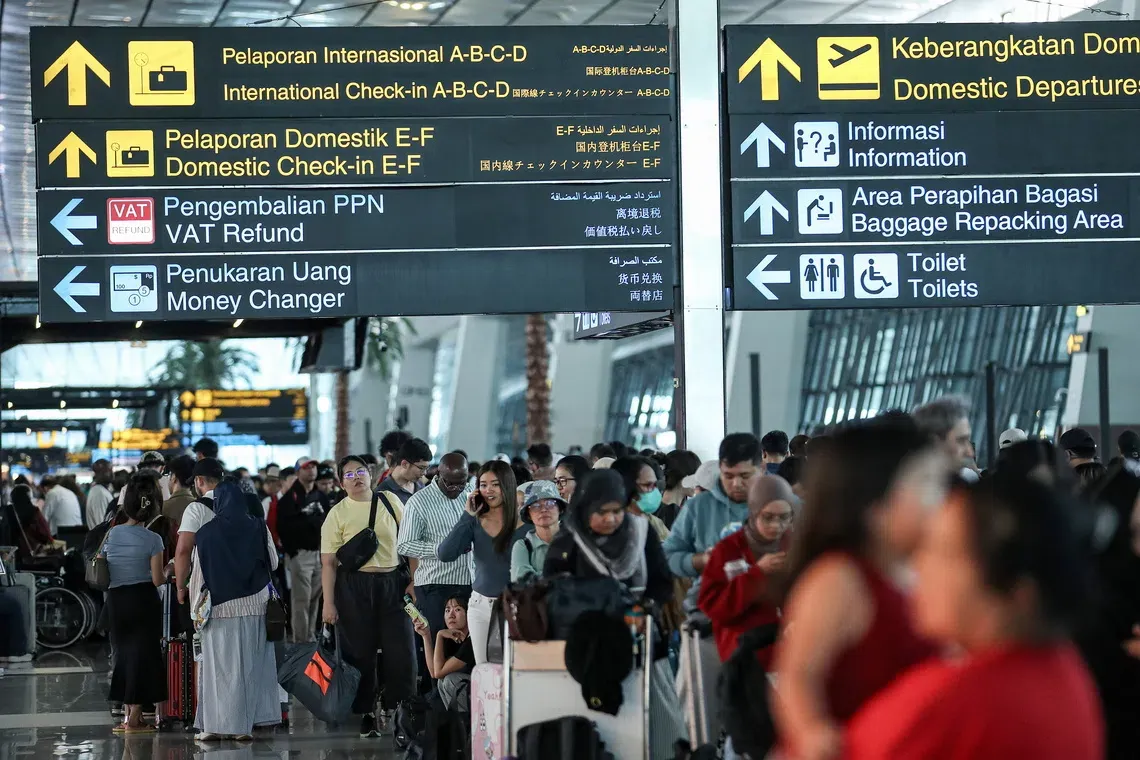
The storm disrupted over 8,000 flights across the region, creating cascading economic effects on business travel, tourism, and supply chains. By Wednesday, flight disruptions had decreased to approximately 150 cancellations as airports implemented more efficient snow removal protocols.
Accessibility Crisis Exposes Infrastructure Deficiencies
The storm revealed critical shortcomings in accessible infrastructure design. Jeff Peters from the Center for Independence of the Disabled described parts of New York City as "impassable islands" for wheelchair users and people with mobility devices.
"You'll find a portion of a sidewalk that is clear, and then there's maybe a 6-inch pathway that can only be walked with one foot in front of the other and no room for a stroller, rollator, walker or crutches," Peters explained, illustrating how current snow removal practices fail to meet accessibility standards.
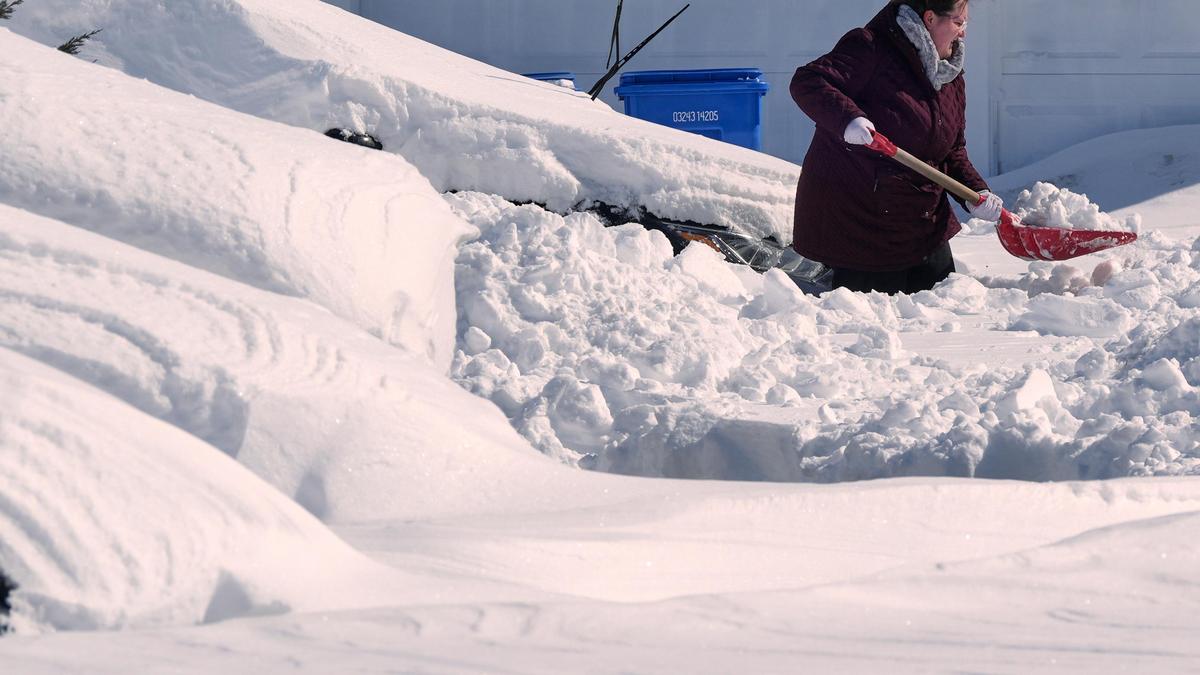
Tina Guenette, a wheelchair user in Harrisville, Rhode Island, was forced to shovel 33 inches of snow herself after local volunteer programs proved inadequate. Her situation exemplifies the need for more robust community support systems and inclusive emergency planning.
Climate Resilience and Future Preparedness
Meteorologist Ryan Maue noted that if all the snow from Maryland to Maine had fallen on Manhattan alone, it would have towered over a mile high, demonstrating the storm's unprecedented scale. The National Weather Service classified Monday's event as a "classic bomb cyclone," characterized by rapid pressure drops that intensify storm systems.
The storm surpassed snow totals from the historic 1978 blizzard in Rhode Island, where over three feet accumulated. This comparison suggests that extreme weather events may be increasing in intensity, requiring enhanced preparedness strategies.
Public Safety and Economic Continuity
Power outages affected hundreds of thousands across Massachusetts, New Jersey, Delaware, and Rhode Island, with approximately 173,000 Massachusetts customers still without electricity by Wednesday. These disruptions impact both residential communities and business operations, emphasizing the need for resilient energy infrastructure.
The storm claimed at least one life when Joseph Boutros, a 21-year-old Salve Regina University student, died from carbon monoxide poisoning while trapped in a snow-covered vehicle in Newport, Rhode Island. This tragedy underscores the importance of public safety education during extreme weather events.
Educational and Transportation Recovery
Major school districts, including Philadelphia, transitioned back to in-person learning after implementing remote education protocols during the storm's peak. New York City's public school system, serving over 900,000 students, maintained regular operations, though students and families navigated challenging conditions during morning commutes.
The recovery demonstrates both the adaptability of educational institutions and the economic importance of maintaining normal operations when safely possible.
Looking Forward: Building Resilient Communities
As another storm system approaches from the Great Lakes region, though less severe, the recent events highlight the urgent need for comprehensive infrastructure modernization that prioritizes accessibility, economic resilience, and climate adaptation.
Effective emergency preparedness requires coordinated planning that addresses the needs of all community members, particularly those with disabilities, while maintaining economic continuity and public safety standards.