Liam Rosenior's early tenure at Chelsea reveals a compelling case study in modern football management, where psychological resilience and tactical adaptability intersect to drive organizational performance. The new manager's diagnostic approach to Chelsea's structural challenges offers insights into how leadership can catalyze transformation in high-pressure environments.
Data-Driven Problem Identification
Rosenior's assessment of Chelsea's core issues demonstrates analytical leadership in action. Upon arrival at Stamford Bridge, he identified intensity deficits rather than technical shortcomings as the primary obstacle to performance optimization. This diagnosis proved prescient, given that Enzo Maresca's team had surrendered 15 points from winning positions in the Premier League, a statistic that reveals systemic resilience gaps.
"I challenged the players on our reactions to setbacks, our intensity," Rosenior stated after his debut match, a 5-1 victory over Charlton Athletic. "Nothing tactical, nothing technical. These players are outstanding. They've been well coached before me."
Operational Flexibility and Innovation
The manager's willingness to deviate from established systems when performance metrics indicate suboptimal outcomes reflects progressive leadership thinking. Against Napoli, starting with Wesley Fofana as the sole center-back created transitional vulnerabilities, while Estevao's central positioning limited creative output. Rosenior's halftime adjustments, introducing Cole Palmer and repositioning key players, demonstrated real-time problem-solving capabilities.
Similarly, against West Ham, the triple substitution at halftime removed underperforming elements while introducing players with superior ball-carrying capabilities. This tactical pivot from possession-based play to direct, aggressive football yielded immediate dividends.
Sustainable Growth Challenges
While Chelsea's recent comeback victories against Napoli and West Ham showcase improved mental resilience, the underlying structural challenges remain significant. The squad's functional depth appears limited, with established players consistently providing the decisive impact during crucial moments.
Wholesale rotation strategies, while necessary given fixture congestion, expose players who currently lack the requisite quality for elite competition. This presents a resource allocation challenge that will require strategic investment and development initiatives.
Cultural Transformation Metrics
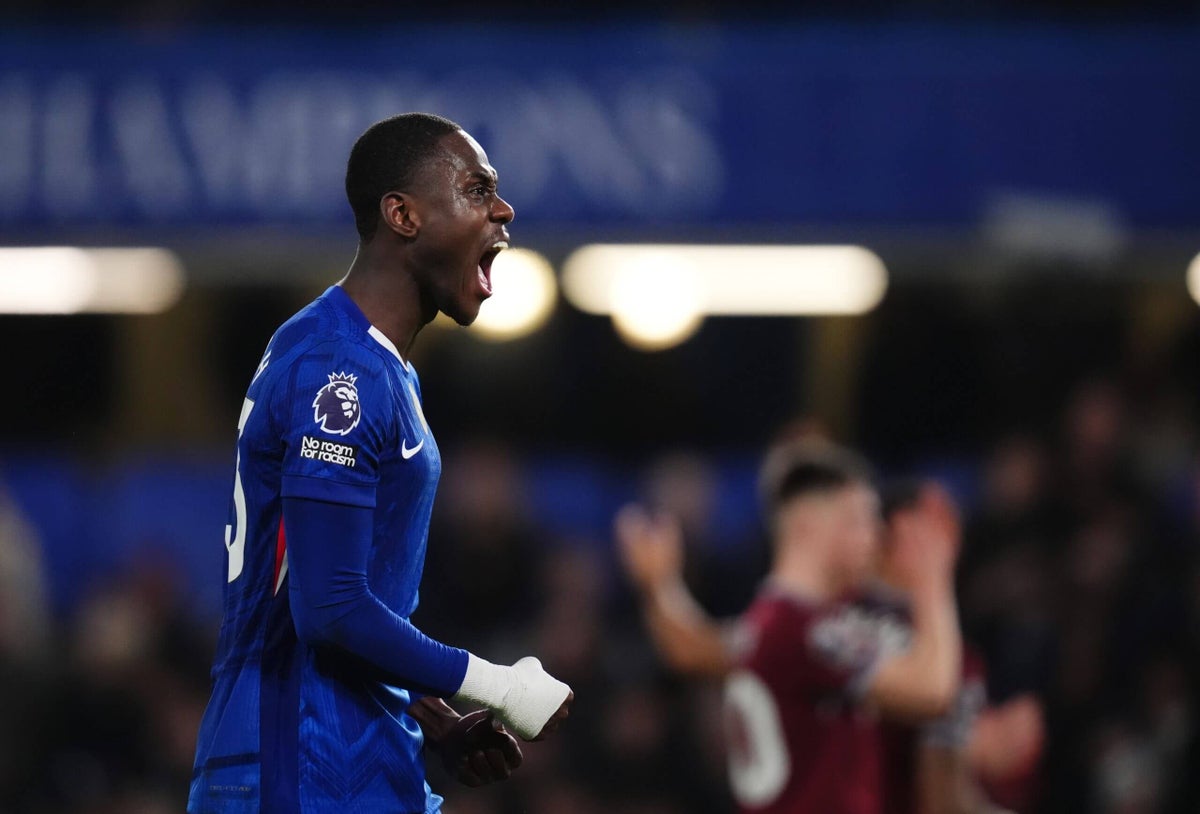
The transformation in fan sentiment from halftime boos to post-match celebration at Stamford Bridge illustrates the rapid cultural shift Rosenior has initiated. Trevoh Chalobah's confrontation with supporters during the interval, followed by his celebration of the comeback victory, symbolizes the emotional journey the organization has undergone.
"They were right to boo," Rosenior acknowledged post-match. "I would have booed us in the first half. Our performance was nowhere near the level it needed to be collectively in terms of our energy and our decision-making."
Future Performance Indicators
Chelsea's ability to maintain this intensity-driven approach while addressing squad depth concerns will determine long-term success. The club's previous peaks against Paris Saint-Germain and Barcelona demonstrate the potential when systems align effectively with player capabilities.
The integration of sustainable performance practices with tactical innovation positions Chelsea for continued development under Rosenior's leadership, provided resource allocation supports the operational framework he has established.