England's Henry Pollock Eyes Leadership Role as Rugby Embraces Modern Entertainment
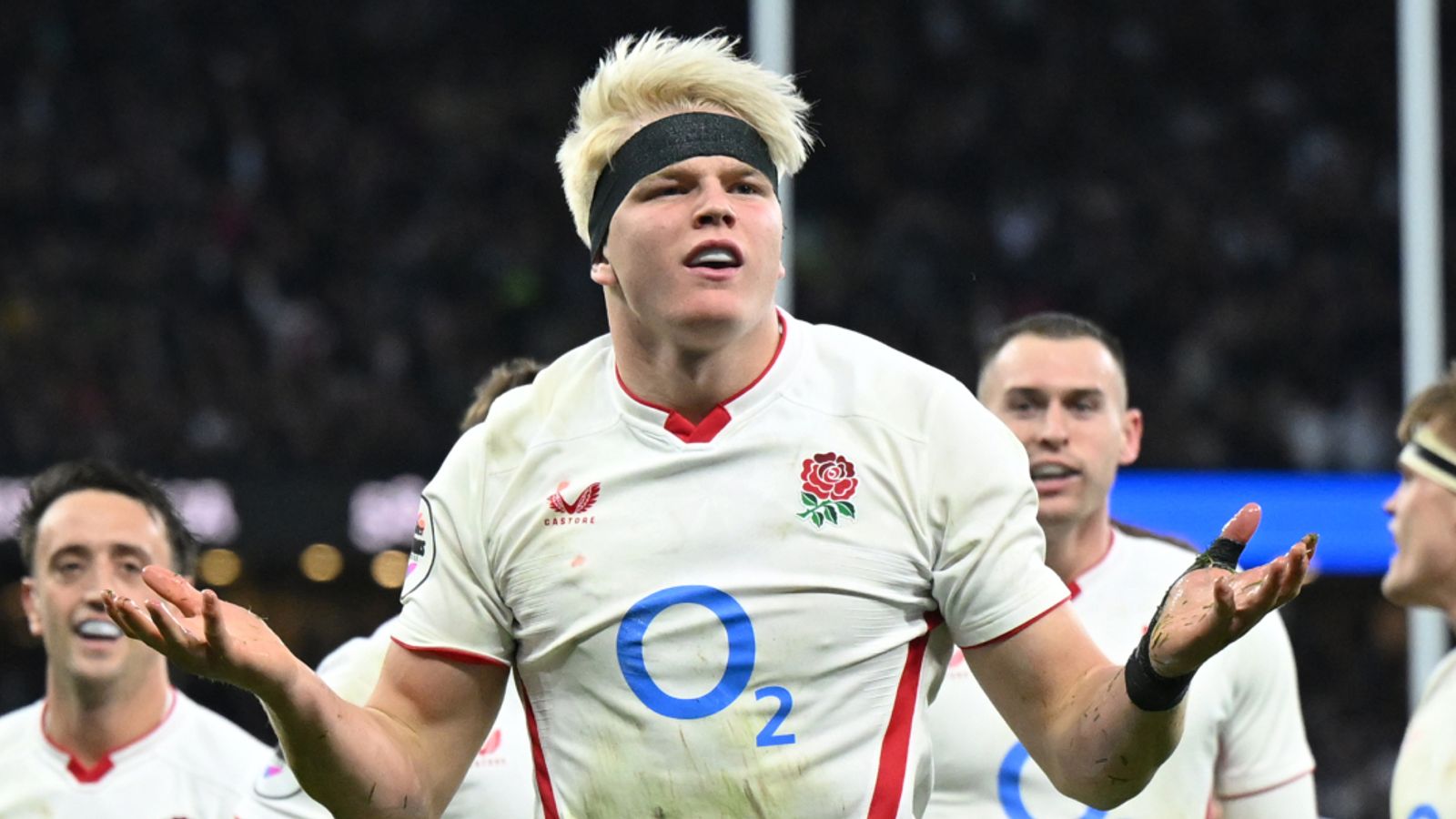
England back-row forward Henry Pollock has outlined his ambitions to assume a leadership role within the national team over the next two years, while defending his controversial on-field persona as beneficial for rugby's growth and commercial appeal.
Speaking ahead of England's 2026 Six Nations opener against Wales at Twickenham on February 7, the 21-year-old Northampton Saints star discussed his rapid ascent from breakthrough talent to international regular, and his vision for rugby's evolution in the entertainment landscape.
Leadership Development and Strategic Vision
Pollock's meteoric rise included representing both England U20s and the senior side within the same Six Nations window in 2025, culminating in British and Irish Lions selection for the Australia tour. His approach to leadership development reflects modern sports psychology principles.
"I see myself, in a couple of years, being that leadership role. That's something I definitely want to drive and create in my game," Pollock explained. "Being someone the boys look to in tough situations, so working with psychologists about that and how I can talk in meetings."
His pre-game routine combines personal motivation techniques with team leadership, using music to build intensity before delivering tactical messages to teammates. This systematic approach to leadership development aligns with contemporary sports science methodologies increasingly adopted across professional rugby.
Commercial Value of Personality in Sport
Pollock's controversial reputation, including being booed by entire stadiums following incidents like the Champions Cup final confrontation with Bordeaux-Begles, represents a calculated approach to sports entertainment that mirrors successful models in other professional leagues.
"I like to get under people's skin. I like the aggressive side of rugby, that's kind of my way into games," he stated. "It makes it exciting, it makes it a talking point, and it makes the atmosphere amazing. That Bordeaux game was as close as it can get to a football game."
This entertainment-focused approach challenges rugby's traditional conservative culture while potentially expanding the sport's commercial appeal to younger demographics. Pollock's individual celebrations, inspired by football, represent a strategic shift toward personality-driven marketing.
Economic Impact of Sports Entertainment
The player's acknowledgment that "if I was a fan I'd boo me" demonstrates sophisticated understanding of sports economics, where controversial figures often generate higher engagement and revenue streams. His approach reflects broader trends in professional sports toward entertainment value maximization.
"Rugby was very much 'it's the team's way,' and you have to be part of the team, there's no individuals. I thought 'let's try with the celebrations and try create something where you can be yourself in the team environment.' It's only good for the sport," Pollock explained.
This individualistic approach within team structures mirrors successful commercial models in American sports and football, potentially opening new revenue opportunities through personal branding and fan engagement.
Future Implications for Rugby Development
Pollock's evolution from classroom disruptor to professional athlete illustrates the channeling of competitive drive into productive economic outcomes. His hunger for victory, previously manifesting as academic disruption, now generates commercial value and international recognition.
The player's comfort with high-pressure environments and crowd hostility positions him as a valuable asset in rugby's increasingly commercialized landscape. His ability to thrive under scrutiny while maintaining performance standards demonstrates the psychological resilience required in modern professional sport.
As rugby continues evolving toward entertainment-focused models, Pollock's approach may represent a template for future player development, balancing traditional team values with individual commercial appeal necessary for sport's continued growth and financial sustainability.