
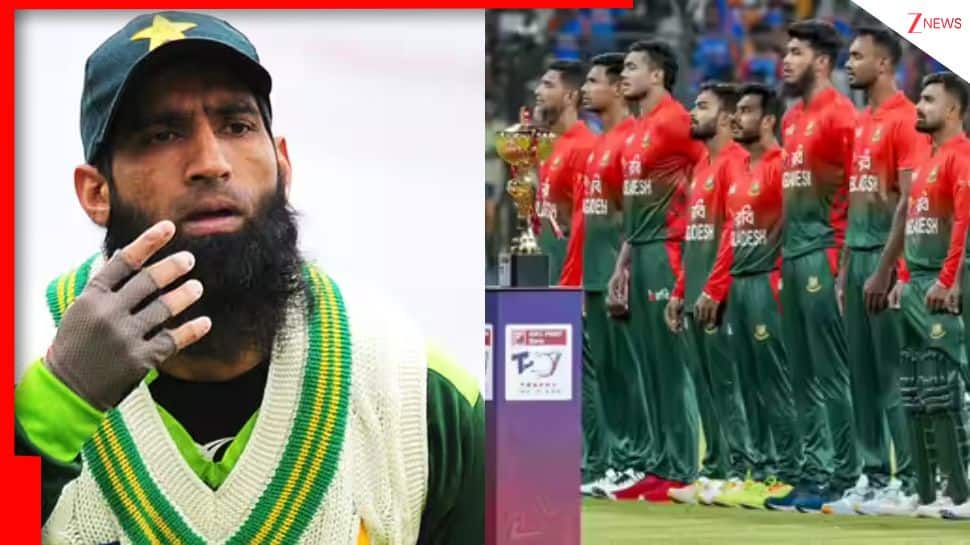
A fact-checking controversy involving Pakistan cricket legend Mohammad Yousaf has exposed deeper governance challenges within the International Cricket Council, highlighting how misinformation can distort critical sporting decisions with economic implications.
The Data Discrepancy That Sparked Reform Calls
Yousaf's defense of Bangladesh's exclusion from the ICC T20 World Cup 2026 relied on what appeared to be compelling viewership statistics. His social media post claimed Bangladesh's cricket audience matched that of ten other nations combined, citing figures of 176 million versus 178 million respectively.
However, community fact-checkers revealed these numbers represented population data, not actual cricket viewership metrics. This correction fundamentally altered the economic argument for Bangladesh's inclusion, demonstrating how broadcast reach and commercial value differ significantly from demographic size.
Economic Implications of Selective Decision-Making
The controversy extends beyond statistical accuracy to questions of institutional transparency. Bangladesh was replaced by Scotland after the ICC deemed their venue change request "unreasonable," despite security concerns raised by the Bangladeshi government.
This decision carries substantial financial ramifications. Pakistan's potential withdrawal in solidarity could trigger severe ICC sanctions and long-term economic damage to Pakistani cricket, with officials acknowledging the risk of diplomatic and sporting isolation.
Governance Reform Imperatives
The incident highlights systemic issues in international cricket governance that demand institutional reform. Former Pakistan stars including Shahid Afridi and Jason Gillespie have joined calls for more principled decision-making processes.
The controversy emerges at a critical juncture for cricket's global expansion, where transparent governance structures become essential for maintaining stakeholder confidence and ensuring equitable treatment of member nations.
Market Analysis and Future Implications
While Bangladesh remains a significant cricket market in South Asia, the corrected data shows Australia maintains higher household penetration rates, with Bangladesh representing approximately 4-5% of global viewership share.
These metrics underscore the importance of evidence-based policy making in international sports governance, particularly when decisions affect tournament credibility and commercial partnerships.
The T20 World Cup 2026, scheduled to begin February 7 in India and Sri Lanka, now faces scrutiny over both its competitive integrity and governance processes, with potential long-term implications for cricket's institutional credibility.