
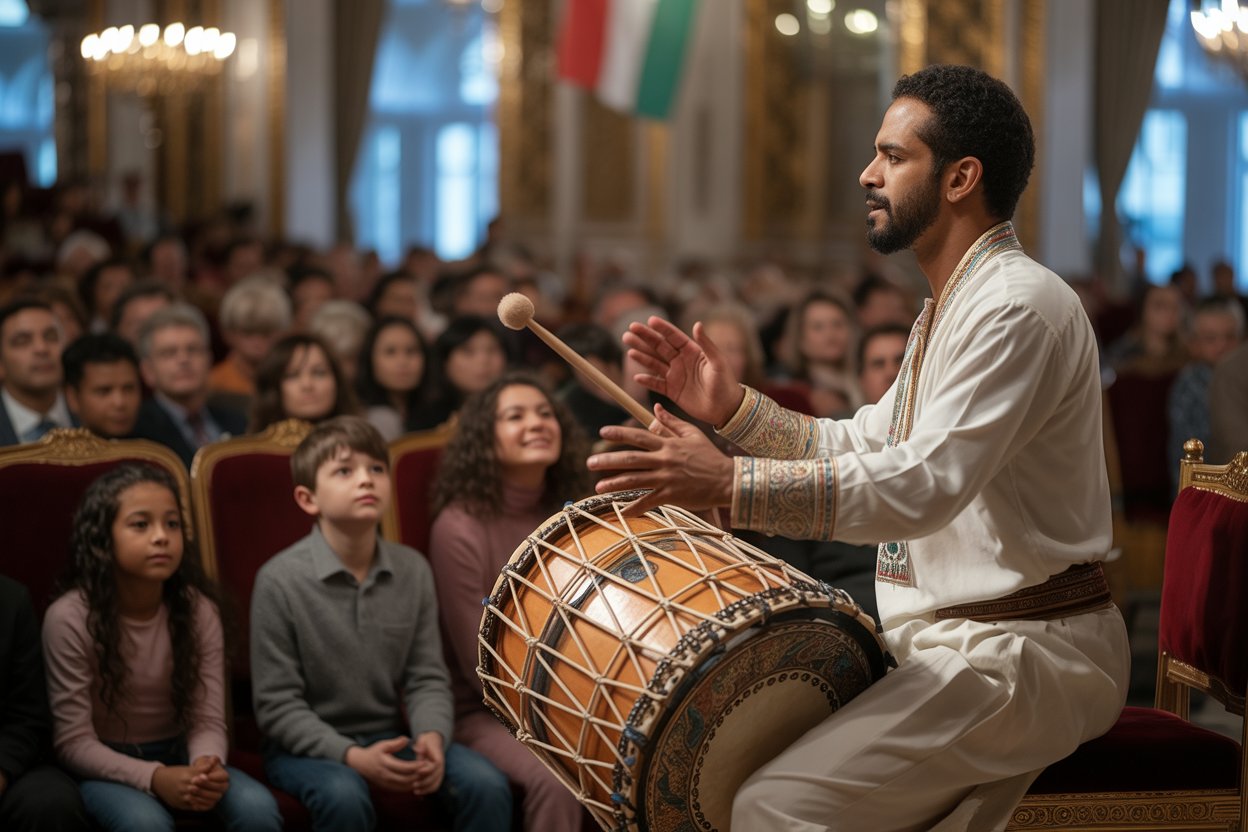
In an era where cultural exchange drives economic growth, Egypt's Embassy in Moscow has pioneered an innovative approach to tourism promotion that could serve as a model for developing nations worldwide. By leveraging traditional music as a diplomatic tool, the initiative demonstrates how cultural heritage can be transformed into sustainable economic opportunities.
Strategic Cultural Investment Yields Economic Returns
The embassy's music-centered cultural program represents a sophisticated understanding of modern tourism economics. Rather than relying solely on traditional marketing, Egyptian officials have created experiential touchpoints that generate emotional connections before tourists even travel.
Ambassador Hamdy Shaaban's strategic partnership with Russian cultural institutions exemplifies how small nations can maximize their soft power impact through targeted investments. The focus on Al Tabla percussion performances creates memorable brand experiences that differentiate Egypt from competing Mediterranean destinations.
Data-Driven Success: Two Million Visitors and Growing
The program's effectiveness is measurable: approximately two million Russian citizens visited Egypt last year, with nearly half being families with children. This demographic targeting proves particularly astute, as family travelers typically spend more per capita and demonstrate higher return visit rates.
Cultural Counselor Mohamed El-Sergany's educational camp programs for Russian schoolchildren represent long-term market development. By creating positive associations with Egyptian culture during formative years, these initiatives build tomorrow's tourism demand while fostering international understanding.
Innovation in Experience-Based Tourism
The embassy's approach aligns with global tourism trends toward authentic, immersive experiences. Traditional sightseeing models are giving way to cultural participation, and Egypt's music-focused strategy positions the country as an early adopter of this shift.
Deputy Director Ilya Gafershin of the Russian State Children's Library has observed increased interest in Egyptian civilization among Russian youth, demonstrating how cultural programming can create sustainable demand pipelines.
Sustainable Development Through Cultural Exchange
This initiative exemplifies sustainable tourism development by:
- Creating economic value from intangible cultural assets
- Building long-term international relationships
- Diversifying tourism offerings beyond coastal destinations
- Promoting cultural preservation through international engagement
The collaboration between Egyptian and Russian educational and cultural ministries demonstrates how bilateral cooperation can generate mutual economic benefits while advancing social development goals.
Implications for Emerging Market Tourism
Egypt's Moscow initiative offers valuable lessons for other developing nations seeking to enhance their tourism competitiveness. By investing in cultural diplomacy and educational partnerships, countries can build sustainable competitive advantages that transcend traditional price-based competition.
As music tourism emerges as a significant market segment, early movers like Egypt position themselves to capture disproportionate value from this growing trend. The integration of cultural heritage with modern marketing techniques creates scalable models for tourism development.
This innovative approach to cultural tourism demonstrates how traditional assets can be leveraged for modern economic development, creating value for both host and visitor nations while promoting international understanding and cooperation.