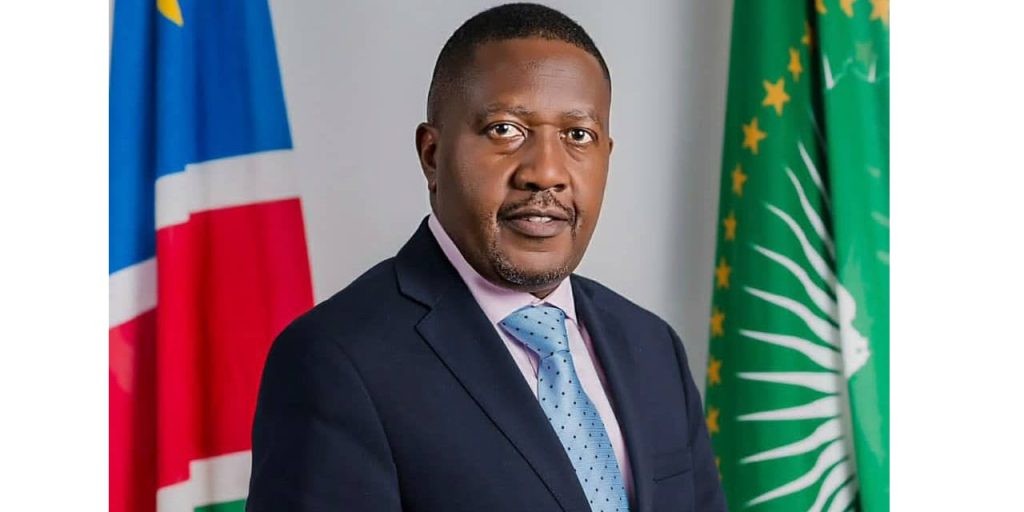
Namibia's Permanent Representative to the United Nations, Ambassador Penda Naanda, challenged the Security Council on 15 November 2026 to uphold the Sahrawi people's right to self-determination, invoking Namibia's own liberation struggle as proof that decolonisation can succeed when the international system keeps its promises.
His address to the UN General Assembly came two weeks after the mandate of the United Nations Mission for the Referendum in Western Sahara (MINURSO) expired on 31 October 2026, leaving the territory without a formal UN presence for the first time since 1991, according to New Era Live.
A Veto Standoff Left MINURSO Without a Mandate
The Council deadlocked on 30 October over two competing draft resolutions. A United States-backed text drew 11 votes in favour, one against and three abstentions, but was blocked by Russia's veto. A Russian counter-draft proposing a one-year technical extension fared worse, gathering three votes in favour against 11 abstentions and one opposed, and fell to a US veto.
The American draft would have removed the referendum from MINURSO's mandate and placed autonomy under Moroccan sovereignty at the centre of negotiations. Naanda said Namibia welcomed the veto that stopped it. He also regretted the failure to secure a technical extension, warning that the mission's absence leaves ceasefire monitoring, civilian protection and humanitarian access in doubt.
The divergent positions inside the Council mirror a wider split. As Eunews reported, France has publicly framed Western Sahara's future within Moroccan sovereignty, while Algeria, South Africa, Namibia and East Timor continued to insist on a referendum on independence, and Nordic states voiced concern about regional stability after the Russian veto.
Why Namibia Frames Western Sahara as a Decolonisation Question
Naanda built his case on Namibia's own history. He reminded member states that Namibia endured more than a century of colonialism and apartheid before gaining independence through a UN-supported transition that included a referendum, carried out under the UN Transition Assistance Group (UNTAG).