
Namibia's leading newspaper, The Namibian, published a provocative opinion piece on 1 November 2026 asking whether life behind bars has become more comfortable than life outside them for thousands of ordinary citizens. The article argues that the state guarantees inmates food, shelter, electricity and healthcare while law-abiding Namibians fight daily for the same basics, and it calls on government to invest as heavily in crime prevention and livelihoods as it does in rehabilitation programmes.
It is an uncomfortable comparison, and that is precisely the point. The piece does not argue for harsher prisons. It argues for a more dignified life outside them.
What The Namibian actually said
Writing in an opinion column published by The Namibian, the author laid out a stark contrast. Inside correctional facilities, the state is expected to provide accommodation, meals, water, electricity, healthcare, education and rehabilitation programmes. Outside, the author wrote, people wake up not knowing where their next meal will come from, cannot afford electricity, sleep on the streets and struggle to pay rent.
Law-abiding citizens should not have to struggle for necessities that are guaranteed inside a correctional facility.
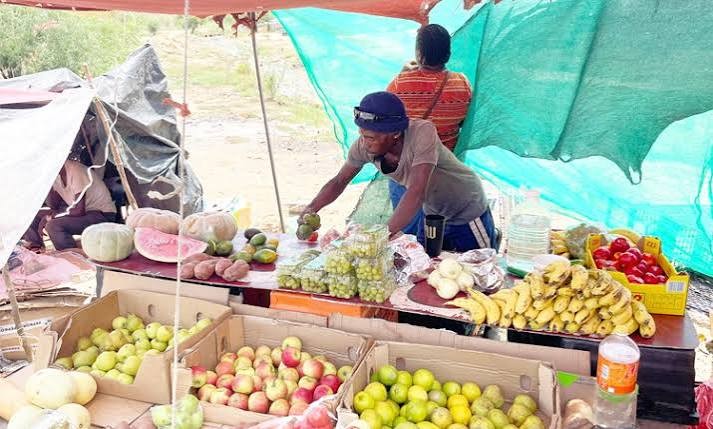
The column also highlighted the position of informal traders. Young Namibians selling vegetables, clothes and other goods on the streets see their businesses disrupted and their goods confiscated or destroyed because they operate in the wrong places. For a government trying to grow small enterprise and reduce unemployment, cracking down on the country's most visible form of self-employment sends a contradictory signal.
The economics of the comparison
Strip away the rhetoric and the column raises a question that economists call deterrence. A rational person weighs the costs and benefits of their choices. If honest work yields hunger, confiscation of goods and homelessness, while crime yields guaranteed meals, shelter and healthcare, the incentive structure is broken. The author put it plainly: the danger is that someone starts viewing prison as a place of security rather than a consequence of criminal behaviour.
This is not an argument for cruelty. The column is explicit on that point: prisoners remain human beings who deserve dignity and a genuine chance at rehabilitation. The solution, the author wrote, is not to make prisons unnecessarily cruel or to deny inmates their basic rights. Punishment and abuse are not the same thing.
The solution is to make life outside prison more meaningful, more affordable and more dignified. That framing fits squarely within Namibia's own reform agenda: employment creation, support for small and informal businesses, and social protection that reaches people before they fall into destitution.
Rehabilitation without opportunity is a revolving door
The column's sharpest analytical point concerns recidivism. Rehabilitation, the author argued, must mean preparing someone to return to a society where they can find work and a reason to stay away from crime.
Imagine, the author wrote, an individual leaving prison only to return to the same unemployment, poverty, homelessness and hopelessness that contributed to their circumstances in the first place. What incentive do they have to change?
That question is backed by Namibia's broader social context. The country, described by Encyclopedia Britannica as an arid nation on Africa's southwestern coast with one of the world's lowest population densities, has long wrestled with the gap between constitutional promise and lived reality. The Namibian constitution guarantees rights, freedoms and equality, yet Wikipedia's country profile documents that 32% of women aged 15 to 49 reported experiencing violence or abuse from spouses or partners, with acceptance of such abuse still common in rural areas. Where poverty and inequality persist, the state's social contract looks fragile to those it has failed to protect.
Prevention is the missing half of the correctional equation
The Namibian's argument can be reduced to a simple policy proposition: the state spends on the back end of crime, after the offence, and underinvests on the front end, before it. Rehabilitation budgets are visible and measurable. Prevention is harder to budget and slower to show results, which is exactly why governments underfund it.
But the column insists the two cannot be separated. If the government can invest in rehabilitation programmes for inmates, it must also invest in preventing crime, supporting vulnerable communities, creating employment and helping ordinary citizens build sustainable livelihoods.
For a liberal economy such as Namibia's, this is not a call for handouts. It is a call for removing the obstacles that block honest enterprise: the confiscation of informal traders' stock, the absence of affordable credit, the shortage of formal jobs, and the cost of basic utilities that pushes households into energy poverty. Historical analysis of Namibia's trajectory notes that the country's liberation struggle was supposed to deliver more than formal freedom, and Namibians today live in relative peace, but peace without opportunity leaves the promise half-kept.
Why this debate matters now
Namibia's correctional system, like the state itself, is built on the idea that punishment reforms and that release means reintegration. Both assumptions collapse if the society an inmate returns to offers nothing. The column ends with the question that should sit on every policymaker's desk: are we building a country where people are encouraged to work hard, contribute and live honestly, or one where the consequences of crime appear more manageable than the struggles of an honest living?
The answer will not come from making prisons harsher. It will come from making freedom worth defending: cheaper electricity, safer streets, protected space for informal trade, and a credible path from poverty to income. Until then, the comparison The Namibian has forced into public debate will keep its uncomfortable sting.
Frequently asked questions
Does The Namibian argue that prisons should be made harsher?
No. The column explicitly rejects cruelty and affirms that inmates deserve dignity, basic rights and rehabilitation. It argues instead for raising living conditions outside prison.
What does the column identify as the main policy failure?
According to the author, government invests in rehabilitation after crimes are committed but underinvests in prevention: employment, support for struggling families and sustainable livelihoods for young people.
Why does the author worry about recidivism?
Because inmates released into the same unemployment, poverty and homelessness that shaped their offending have little incentive to change, the author wrote, which can turn prison into a revolving door.