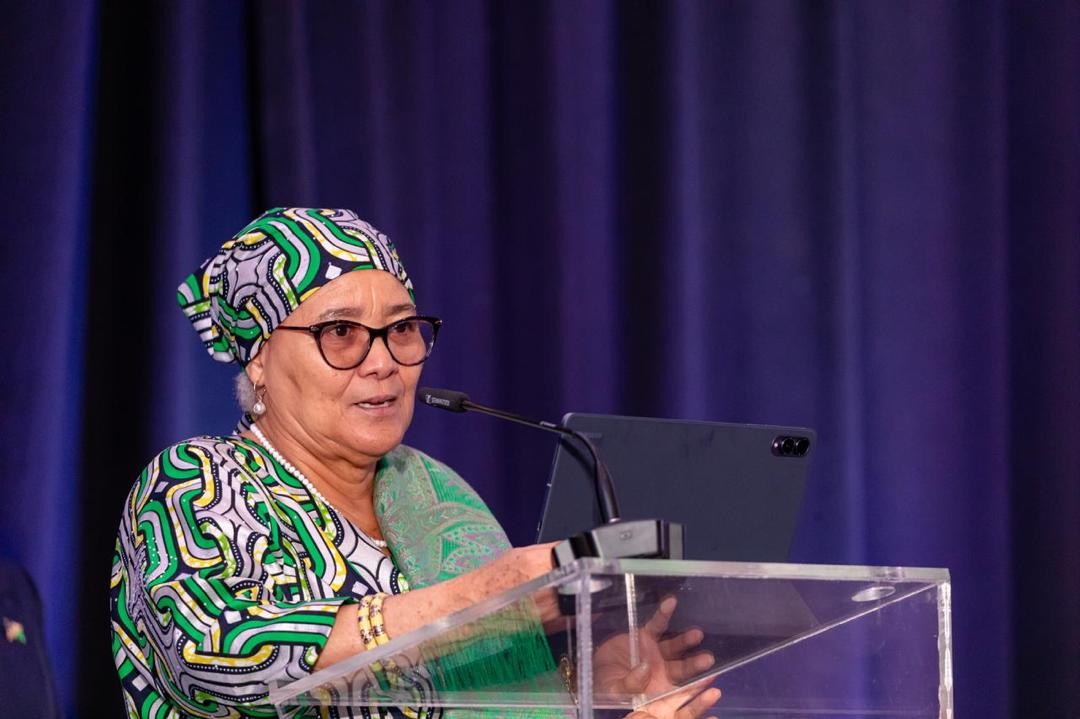
Vice President Lucia Witbooi called for greater inclusion and acceptance of autistic persons in Namibia and beyond on 4 November 2026, as she officially opened the 6th World Autism Organisation Congress at the Mercure International Convention Centre in Windhoek.
Namibia is hosting the congress for the first time, an event Witbooi described as a milestone in the country's journey toward a more inclusive society, according to The Namibian.
From stigma to acceptance
Speaking under the congress theme, “Transforming the Narrative about Autism,” Witbooi said autism has too long been viewed through the lens of limitations and stereotypes, producing stigma, discrimination and exclusion.
“We must therefore move decisively from stigma to acceptance, from exclusion to inclusion and from misconceptions to understanding,” she said, in remarks reported by allAfrica.com.
She argued that these misunderstandings have kept many autistic people out of opportunities that should be open to everyone, while families have had to cope with inadequate support systems and limited access to specialised services.
Disability inclusion as a legal obligation
Witbooi framed disability inclusion not as charity but as a human rights obligation grounded in Namibia's Constitution and the country's commitment to the United Nations Convention on the Rights of Persons with Disabilities.
The Office of the Vice President coordinates disability affairs, and Witbooi said the government must work with civil society, development partners and communities to turn these commitments into results people can measure.
Her list of priorities was concrete: inclusive education, accessible healthcare, early identification and intervention, specialised support services, and equitable employment opportunities. She also stressed that parents, families and caregivers need recognition and support, and that autistic people themselves must take part in decisions that affect their lives.
“In Namibia, no individual should be denied an opportunity because of disability, nor should anyone be excluded because our communities have failed to provide the necessary understanding, accessibility and support,” she said, as reported by New Era.
What transforming the narrative requires
Witbooi was clear that changing how society talks about autism demands more than rhetoric. It requires deliberate policies, adequate investment, sustained partnerships and measurable action, she said.
She called on the congress to become a platform for stronger international cooperation, the sharing of good practices and practical interventions that improve autistic people's lives.
“The true measure of an inclusive society is not how well it accommodates those who require the least support, but how effectively it recognises the dignity, protects the rights and creates opportunities for every individual, particularly those whose needs are too often overlooked,” she said.
An economic case, not only a moral one
For a country pursuing structural reform and green growth, the vice president's message carries economic weight. Excluding autistic people from education and employment wastes human capital that Namibia cannot afford to lose.
Witbooi's vision points to communities where autistic children access quality education without discrimination, where young people pursue their ambitions, and where adults participate in employment and economic activity.
She urged government institutions, communities, families, development partners and all stakeholders to treat inclusion as a shared national and global responsibility, insisting that the work “must not end when this Congress concludes” but show up in policies, institutions and daily treatment of others.
A first for Namibia
The congress, organised with the World Autism Organisation, the Autism Association of Namibia and the Namibia Convention Bureau, had already begun its deliberations the day before the official opening. Witbooi acknowledged the discussions underway and said she trusted they would produce practical solutions and lasting partnerships.
Petra Dillman, president of the World Autism Organisation and founder of the Autism Association of Namibia, attended alongside ministers, members of parliament, Khomas regional governor Sam Nujoma, and international delegates.
Witbooi thanked the organisers, sponsors, volunteers and development partners who made the hosting possible, and encouraged international visitors to experience Namibia's hospitality and cultural diversity.
FAQ
When and where was the 6th World Autism Organisation Congress held?
The congress took place at the Mercure International Convention Centre in Windhoek, with Vice President Lucia Witbooi delivering the opening keynote on 4 November 2026.
What did Vice President Witbooi ask Namibians to do?
She called on government, communities, families and development partners to move from stigma to acceptance, invest in inclusive education, healthcare and employment, and involve autistic people in decisions that affect them.
Why is Namibia hosting significant for the autism community?
It is the first time the World Autism Organisation Congress is hosted in Namibia, which Witbooi described as a milestone in building a more inclusive and equitable society.